Use the our online Merriam-Webster medical dictionary.
eMedicine Journal > Pediatrics > Rheumatology
Rheumatic Fever

Synonyms, Key Words, and Related Terms: rheumatic fever, RF, group A beta hemolytic streptococci, GABHS, group A beta hemolytic streptococcal pharyngitis, group A streptococci, streptococcal pharyngitis, rheumatic heart disease, RHD
Author Information | Introduction | Clinical | Differentials | Workup | Treatment | Medication | Follow-up | Test Questions | Bibliography

AUTHOR INFORMATION Section 1 of 10    Click here to go to the top of this page Click here to go to the next section in this topic

Authored by Thomas K Chin, MD, Associate Professor in Pediatrics, University of Tennessee College of Medicine; Chief, Department of Pediatric Cardiology, LeBonheur Children's Hospital, St Jude Children's Research Hospital

Coauthored by Clyde Worley, MD, Staff Physician, Departments of Pediatrics and Internal Medicine, Vanderbilt University Medical Center; Douglas Li, BS, Wake Forest University Medical Center

Thomas K Chin, MD, is a member of the following medical societies: American Academy of Pediatrics, American College of Cardiology, American Heart Association, American Society for Pharmacology and Experimental Therapeutics, American Society of Echocardiography, and Society for Pediatric Research

Edited by Barry L Myones, MD, Director of Research, Pediatric Rheumatology Center, Texas Children's Hospital at Houston; Associate Professor, Departments of Pediatrics & Immunology, Pediatric Rheumatology Section, Baylor College of Medicine; Mary L Windle, PharmD, Adjunct Assistant Professor, University of Nebraska Medical Center College of Pharmacy, Pharmacy Editor, eMedicine.com, Inc; Thomas JA Lehman, MD, Clinical Professor of Pediatrics, Weill-Cornell University; Chief, Department of Pediatrics, Division of Pediatric Rheumatology, Hospital for Special Surgery; Gilbert Herzberg, MD, Assistant Professor, Department of Pediatrics, Section of Pediatric Cardiology, New York Medical College; and Barry L Myones, MD, Director of Research, Pediatric Rheumatology Center, Texas Children's Hospital at Houston; Associate Professor, Departments of Pediatrics & Immunology, Pediatric Rheumatology Section, Baylor College of Medicine

Author's Email:Thomas K Chin, MDClick here to view conflict-of-interest information on the author of this topic
Editor's Email:Barry L Myones, MD 

eMedicine Journal, March 27 2006, VOLUME 7, Number 3
INTRODUCTION Section 2 of 10   Click here to go to the next section in this topic Click here to go to the top of this page Click here to go to the next section in this topic

Background: Rheumatic fever (RF) is a systemic illness that may occur following group A beta hemolytic streptococcal (GABHS) pharyngitis in children. RF and its most serious complication, rheumatic heart disease (RHD), are believed to result from an autoimmune response; however, the exact pathogenesis remains unclear. Studies in the 1950s during an epidemic on a military base demonstrated 3% incidence of RF in adults with streptococcal pharyngitis not treated with antibiotics. Studies in children during the same period demonstrated an incidence of only 0.3%. Cardiac involvement is reported to occur in 30-70% of patients with their first attack of RF and in 73-90% of patients when all attacks are counted.

Pathophysiology: RF develops in children and adolescents following pharyngitis with GABHS (ie, Streptococcus pyogenes). The organisms attach to the epithelial cells of the upper respiratory tract and produce a battery of enzymes, which allows them to damage and invade human tissues. After an incubation period of 2-4 days, the invading organisms elicit an acute inflammatory response, with 3-5 days of sore throat, fever, malaise, headache, and elevated leukocyte count. In a small percent of patients, infection leads to RF several weeks after the sore throat has resolved. Only infections of the pharynx initiate or reactivate RF.

Direct contact with oral or respiratory secretions transmits the organism, and crowding enhances transmission. Patients remain infected for weeks after symptomatic resolution of pharyngitis and may serve as a reservoir for infecting others. Penicillin treatment shortens the clinical course of streptococcal pharyngitis and more importantly prevents the major sequelae.

GABHS organisms are gram-positive cocci, which frequently colonize the skin and oropharynx. These organisms may cause suppurative diseases (eg, pharyngitis, impetigo, cellulitis, myositis, pneumonia, puerperal sepsis). GABHS organisms also may be associated with nonsuppurative diseases (eg, RF, acute poststreptococcal glomerulonephritis). Group A streptococci (GAS) elaborate the cytolytic toxins, streptolysins S and O. Of these 2 toxins, streptolysin O induces persistently high antibody titers that provide a useful marker of GAS infection and its nonsuppurative complications.

GAS, as identified using the Lancefield classification, has a group A carbohydrate antigen in the cell wall that is composed of a branched polymer of L-rhamnose and N-acetyl-D-glucosamine in a 2:1 ratio. Surface proteins on the cell wall of the organism may subserotype GAS. The presence of the M protein is the most important virulence factor for GAS infection in humans. More than 90 M serotypes have been identified, some of which have a long terminal antigenic domain (ie, epitopes) similar to antigens in various components of the human heart. Rheumatogenic strains often are encapsulated mucoid strains, rich in M proteins, and resistant to phagocytosis. These strains are strongly immunogenic, and anti-M antibodies against the streptococcal infection may cross-react with components of heart tissue (ie, sarcolemmal membranes, valve glycoproteins).

Acute RHD often produces a pancarditis, characterized by endocarditis, myocarditis, and pericarditis. Endocarditis is manifested as mitral and aortic valve insufficiency. Severe scarring of the valves develops during a period of months to years after an episode of acute RF, and recurrent episodes may cause progressive damage to the valves. The mitral valve is affected most commonly and severely (65-70% of patients); the aortic valve is affected second most commonly (25%). The tricuspid valve is deformed in only 10% of patients, almost always in association with mitral and aortic lesions, and the pulmonary valve rarely is affected. Severe valve insufficiency during the acute phase may result in congestive heart failure (CHF) and even death (1% of patients). Whether myocardial dysfunction during acute RF is related primarily to myocarditis or is secondary to CHF from severe valve insufficiency is not known. When pericarditis is present, it rarely affects cardiac function or results in constrictive pericarditis.

Chronic manifestations occur in adults with previous RHD from residual and progressive valve deformity. RHD is responsible for 99% of mitral valve stenosis in adults, and it may be associated with atrial fibrillation from chronic mitral valve disease and atrial enlargement.

Frequency:

Mortality/Morbidity: RHD is the major cause of morbidity from RF, and it is the major cause of mitral insufficiency and stenosis in the United States and the world. Variables that correlate with severity of valve disease are the number of previous attacks of RF, the length of time between the onset of disease and start of therapy, and sex (the prognosis for females is worse than for males). Insufficiency from acute rheumatic valve disease resolves in 70-80% of patients if they adhere to antibiotic prophylaxis.

Race: Native Hawaiians and Maori (both of Polynesian descent) have a higher incidence of RF. Incidence of RF in these patients is 13.4 per 100,000 hospitalized children per year, even with antibiotic prophylaxis of streptococcal pharyngitis. Otherwise, race (when controlled for socioeconomic variables) has not been documented to influence the disease incidence.

Sex: RF occurs in equal numbers in males and females. Females with RF fare worse than males and have a slightly higher incidence of chorea.

Age: RF is principally a disease of childhood, with a median age of 10 years; however, RF also occurs in adults (20% of cases).
CLINICAL Section 3 of 10   Click here to go to the next section in this topic Click here to go to the top of this page Click here to go to the next section in this topic

History: Acute RF is a systemic disease. Thus, patients may present with a large variety of symptoms and complaints.

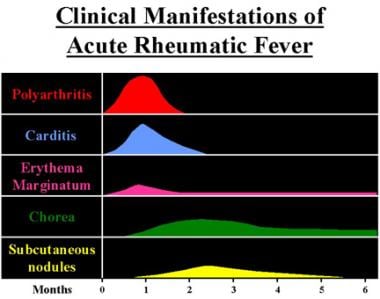
Physical: Revised in 1992, the modified Jones criteria provide guidelines for making the diagnosis of RF. The Jones criteria require the presence of 2 major or 1 major and 2 minor criteria for the diagnosis of RF. Having evidence of previous GAS pharyngitis is also necessary. These criteria are not absolute, and the diagnosis of RF can be made in patients with only confirmed streptococcal pharyngitis and chorea.

Causes: RF is believed to result from an autoimmune response; however, the exact pathogenesis remains unclear.

DIFFERENTIALS Section 4 of 10   Click here to go to the next section in this topic Click here to go to the top of this page Click here to go to the next section in this topic

Acute Poststreptococcal Glomerulonephritis
Aortic Stenosis, Valvar
Aortic Valve Insufficiency
Aortic Valve, Bicuspid
Arthritis, Septic
Cardiomyopathy, Dilated
Endocarditis, Bacterial
Gonorrhea
Heart Failure, Congestive
Kawasaki Disease
Lyme Disease
Mitral Valve Insufficiency
Mitral Valve Prolapse
Myocarditis, Nonviral
Myocarditis, Viral
Pericardial Effusion, Malignant
Pericarditis, Bacterial
Pericarditis, Viral
Sarcoidosis
Serum Sickness
Sickle Cell Anemia
Splenomegaly
Takayasu Arteritis
Tuberculosis
Wilson Disease


Other Problems to be Considered:

Arthritis and/or arthralgias
Rheumatoid arthritis
Reactive arthritis
Dermatomyositis
Erythema nodosum
Henoch-Schönlein purpura
Lupus erythematosus in infants and children
Poststreptococcal syndrome
Controversy exists as to whether the entity of poststreptococcal reactive arthritis (PSRA) is along the clinical continuum of RF or is a separate clinical entity. PSRA is characterized by objective arthritis in the setting of a vigorous immune response to streptococcal antigens; however, the arthritis is nonmigratory and poorly responsive to aspirin. Children with PSRA do not fulfill modified Jones criteria. Most pediatric rheumatologists treat PSRA with the same antibiotic prophylaxis provided to individuals with RF.

Chorea
Drug reaction (eg, oral contraceptive pills, phenytoin, haloperidol, amitriptyline, metoclopramide, fluphenazine)
Huntington chorea
Chorea gravidum
Periarteritis nodosa

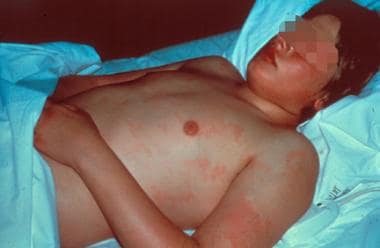
Erythema marginatum
Drug reactions

Subcutaneous nodules
Rheumatoid arthritis

WORKUP Section 5 of 10   Click here to go to the next section in this topic Click here to go to the top of this page Click here to go to the next section in this topic

Lab Studies:

Imaging Studies:

Other Tests:

Procedures:

Histologic Findings: Pathologic examination of the insufficient valves may demonstrate verrucous lesions at the line of closure. Aschoff bodies (ie, perivascular foci of eosinophilic collagen surrounded by lymphocytes, plasma cells, and macrophages) are found in the pericardium, perivascular regions of the myocardium, and endocardium. The Aschoff bodies assume a granulomatous appearance with a central fibrinoid focus and eventually are replaced by nodules of scar tissue. Anitschkow cells are plump macrophages within Aschoff bodies. In the pericardium, fibrinous and serofibrinous exudates may produce an appearance of “bread and butter” pericarditis.

TREATMENT Section 6 of 10   Click here to go to the next section in this topic Click here to go to the top of this page Click here to go to the next section in this topic

Medical Care: Direct medical therapy toward eliminating the GAS pharyngitis (if still present), suppressing inflammation from the autoimmune response, and providing supportive treatment of CHF. A recent metaanalysis has supported a protective effect against rheumatic fever when penicillin is used following the diagnosis of GAS pharyngitis. Oral penicillin V remains the drug of choice for treatment of GAS pharyngitis. When oral penicillin is not feasible or dependable, a single dose of intramuscular benzathine penicillin G is therapeutic. For patients who are allergic to penicillin, administer erythromycin or a first-generation cephalosporin. Other options include clarithromycin for 10 days, azithromycin for 5 days, or a narrow-spectrum (first-generation) cephalosporin for 10 days. As many as 15% of penicillin-allergic patients are also allergic to cephalosporins. Do not use tetracyclines and sulfonamides to treat GAS pharyngitis.

Surgical Care: When heart failure persists or worsens after aggressive medical therapy for acute RHD, surgery to decrease valve insufficiency may be lifesaving. Approximately 40% of patients with acute RF subsequently develop mitral stenosis as adults. Mitral valvulotomy, percutaneous balloon valvuloplasty, or mitral valve replacement may be indicated in patients with critical stenosis. Valve replacement appears to be the preferred surgical option for patients with high rates of recurrent symptoms after annuloplasty or other repair procedures.

Diet: Advise nutritious diet without restrictions except in patients with CHF, who should follow a fluid-restricted and sodium-restricted diet. Potassium supplementation may be necessary because of the mineralocorticoid effect of corticosteroid and the diuretics, if used.

Activity: Initially, place patients on bed rest, followed by a period of indoor activity before they are permitted to return to school. Do not allow full activity until the APRs have returned to normal. Patients with chorea may require a wheelchair and should be on homebound instruction until the abnormal movements resolve.
MEDICATION Section 7 of 10   Click here to go to the next section in this topic Click here to go to the top of this page Click here to go to the next section in this topic

Treatment and prevention of GAS pharyngitis outlined here are based on the current recommendations of the Committee on Infectious Disease (American Academy of Pediatrics). Medical therapy is directed toward elimination of GAS pharyngitis (if still present), suppression of inflammation from the autoimmune response, and supportive treatment of CHF. Attempts are being made to produce vaccines against GAS infection, but the vaccines will not be available for years.

Antibiotics for endocarditis prophylaxis are administered to patients with certain cardiac conditions, such as carditis caused by rheumatic fever, before procedures that may cause bacteremia are performed. For more information, see Antibiotic Prophylactic Regimens for Endocarditis.

Drug Category: Antibiotics -- The roles for antibiotics are to (1) initially treat GAS pharyngitis, (2) prevent recurrent streptococcal pharyngitis, RF, and RHD, and (3) provide prophylaxis against bacterial endocarditis.
Drug Name
Penicillin VK (Beepen-VK, Pen.Vee K, V-Cillin K, Veetids) -- DOC for treatment of GAS pharyngitis. Although ampicillin or amoxicillin may be used instead, they have no microbiologic advantage. Do not use tetracyclines and sulfonamides to treat GAS pharyngitis. For recurrent GAS pharyngitis, a second 10-d course of same antibiotic may be repeated. Alternate drugs include narrow-spectrum cephalosporins, amoxicillin-clavulanate, dicloxacillin, erythromycin, or other macrolides.
Adult Dose500 mg PO bid/tid for 10 d
Pediatric DoseChildren: 250 mg (400,000 U) PO bid/tid for 10 d
Adolescents: Administer as in adults
ContraindicationsDocumented hypersensitivity
InteractionsProbenecid may increase effectiveness by decreasing clearance; tetracyclines are bacteriostatic, causing decrease in effectiveness of penicillins when administered concurrently
Pregnancy B - Usually safe but benefits must outweigh the risks.
PrecautionsRenal impairment, anaphylaxis, thrombocytopenia
Drug Name
Benzathine (Bicillin L-A)/procaine penicillin (Crysticillin A.S., Wycillin) -- Used when PO administration of penicillin is not feasible or dependable. IM therapy with penicillin is painful, but discomfort may be minimized if penicillin G is brought to room temperature before injection or combination of benzathine penicillin G and procaine penicillin G is used. Initial course of antibiotics administered to eradicate streptococcal infection also serves as first course of prophylaxis. An injection of benzathine penicillin G IM q4wk is recommended regimen for secondary prevention for most United States patients. Administer same dosage q3wk in areas where RF is endemic, in patients with residual carditis, and in high-risk patients.
Adult DoseEradication: 1.2 million U of benzathine penicillin G or a combination of 900,000 U of benzathine penicillin G with 300,000 U of procaine penicillin G IM as a single dose
Secondary prevention: Administer eradication dose q3wk (in high-risk areas, high-risk patients) or q4wk (for most areas in United States)
Pediatric DoseEradication <60 lb: 600,000 U of benzathine penicillin G IM as a single dose
Secondary prevention: Administer eradication dose q3wk (in high-risk areas, high-risk patients) or q4wk (for most areas in United States)
ContraindicationsDocumented hypersensitivity
InteractionsIncreases risk of bleeding when administered concurrently with warfarin; ethacrynic acid, aspirin, indomethacin, and furosemide may compete with penicillin G for renal tubular secretion, increasing penicillin serum concentrations
Pregnancy B - Usually safe but benefits must outweigh the risks.
PrecautionsNever use IV route to administer penicillin G procaine; impaired renal function; anaphylaxis; thrombocytopenia
Drug Name
Erythromycin (E.E.S., E-Mycin, Eryc, Ery-Tab, Erythrocin) -- Used for patients who are allergic to penicillin. Other options include clarithromycin, azithromycin, or a narrow-spectrum cephalosporin (ie, cephalexin). As many as 15% of penicillin-allergic patients also are allergic to cephalosporins.
Adult Dose250 mg erythromycin stearate/base (or 400 mg ethylsuccinate) q6h PO 1 h ac for 10 d
Pediatric Dose20-40 mg (as base, estolate, or stearate)/kg/d PO divided bid/qid for 10 d; not to exceed 1 g/d
Alternatively, 40 mg (as ethylsuccinate)/kg/d PO divided bid/qid for 10 d
ContraindicationsDocumented hypersensitivity; with terfenadine (off US market) or astemizole (use in combination with erythromycin may cause prolongation of QT interval, with increased risk of ventricular arrhythmias and sudden death)
InteractionsCoadministration may increase toxicity of theophylline, digoxin, carbamazepine, and cyclosporine; may potentiate anticoagulant effects of warfarin; coadministration with lovastatin and simvastatin increases risk of rhabdomyolysis
Pregnancy B - Usually safe but benefits must outweigh the risks.
PrecautionsCaution in liver disease; estolate formulation may cause cholestatic jaundice; GI adverse effects are common (administer doses pc); discontinue use if nausea, vomiting, malaise, abdominal colic, or fever occurs
Drug Name
Clarithromycin (Biaxin) -- Alternate antibiotic for treating GAS pharyngitis in patients allergic to penicillin.
Adult Dose250-500 mg PO bid for 10 d
Pediatric Dose7.5 mg/kg PO bid for 10 d
ContraindicationsDocumented hypersensitivity; coadministration of pimozide; patients taking terfenadine (off US market); patients with long QT syndrome
InteractionsCYP450 1A2 and 3A4 inhibitor; toxicity increases with coadministration of fluconazole and pimozide; clarithromycin effects decrease and GI adverse effects may increase with coadministration of rifabutin or rifampin; may increase toxicity of anticoagulants, cyclosporine, tacrolimus, digoxin, omeprazole, carbamazepine, ergot alkaloids, triazolam, and HMG CoA-reductase inhibitors; plasma levels of certain benzodiazepines may increase, prolonging CNS depression; arrhythmias and increase in QTc intervals occur with disopyramide; coadministration with omeprazole may increase plasma levels of both agents
Pregnancy C - Safety for use during pregnancy has not been established.
PrecautionsCoadministration with ranitidine or bismuth citrate is not recommended with CrCl <25 mL/min; administer one half dose or increase dosing interval if CrCl <30 mL/min; diarrhea may be sign of pseudomembranous colitis; superinfections may occur with prolonged or repeated antibiotic therapies
Drug Name
Azithromycin (Zithromax) -- Alternate antibiotic for treating GAS pharyngitis in patients allergic to penicillin.
Adult Dose12 mg/kg (not to exceed 500 mg) PO qd for 5 d
Pediatric DoseAdminister as in adults
ContraindicationsDocumented hypersensitivity; hepatic impairment; do not administer with pimozide
InteractionsMay increase toxicity of theophylline, warfarin, and digoxin; effects are reduced with coadministration of aluminum and/or magnesium antacids; nephrotoxicity and neurotoxicity may occur when coadministered with cyclosporine
Pregnancy B - Usually safe but benefits must outweigh the risks.
PrecautionsMay increase hepatic enzymes and cholestatic jaundice; caution in patients with impaired hepatic function, prolonged QT intervals, or pneumonia; caution in patients who are hospitalized, geriatric, or debilitated
Drug Name
Cephalexin (Keflex, Biocef, Keftab) -- Alternate antibiotic for treating GAS pharyngitis in patients allergic to penicillin.
Adult Dose250-500 mg PO qid for 10 d
Pediatric Dose25-50 mg/kg/d PO divided qid for 10 d
ContraindicationsDocumented hypersensitivity
InteractionsCoadministration with aminoglycosides increases nephrotoxic potential
Pregnancy B - Usually safe but benefits must outweigh the risks.
PrecautionsAdjust dose in renal impairment
Drug Name
Amoxicillin (Amoxil, Biomox, Trimox) -- DOC used for bacterial endocarditis prophylaxis. Administered as single PO dose 1 h before dental work or surgery.
Adult Dose2 g PO once as a single dose
Pediatric Dose50 mg/kg PO once as a single dose
ContraindicationsDocumented hypersensitivity
InteractionsNone significant for prophylaxis
Pregnancy B - Usually safe but benefits must outweigh the risks.
PrecautionsAdjust dose in renal impairment
Drug Category: Anti-inflammatory agents -- Manifestations of acute RF (including carditis) typically respond rapidly to therapy with anti-inflammatory agents. Aspirin, in anti-inflammatory doses, is DOC. Prednisone is added when evidence of worsening carditis and heart failure exists.
Drug Name
Aspirin (Anacin, Ascriptin, Bayer Aspirin) -- Begin administration immediately after diagnosis of RF. Initiation of therapy may mask manifestations of disease.
Adult Dose4-8 g/d PO divided q4-6h; maintain aspirin levels in 20-25 mg/dL range until all symptoms have resolved and APRs have returned to normal
Pediatric Dose80-100 mg/kg/d PO divided q4-6h; maintain aspirin levels in 20-25 mg/dL range until all symptoms have resolved and APRs have returned to normal
ContraindicationsDocumented hypersensitivity; liver damage; hypoprothrombinemia, vitamin K deficiency; bleeding disorders; asthma
InteractionsEffects may decrease with antacids and urinary alkalinizers; corticosteroids decrease salicylate serum levels; additive hypoprothrombinemic effects and increased bleeding time may occur with coadministration of anticoagulants; may antagonize uricosuric effects of probenecid and increase toxicity of phenytoin and valproic acid; doses > 2 g/d may potentiate glucose-lowering effect of sulfonylurea drugs
Pregnancy D - Unsafe in pregnancy
PrecautionsRisk of salicylate intoxication and poisoning; watch for hyperventilation with prolonged expiratory phase with respiratory alkalosis and metabolic acidosis; risk of tinnitus, GI discomfort, and ulceration; when taken during pregnancy, increased risk of pulmonary hypertension exists in fetus in neonatal period
Drug Name
Prednisone (Deltasone, Orasone) -- If moderate-to-severe carditis is present as indicated by cardiomegaly, CHF, or third-degree heart block, use 2 mg/kg/d PO prednisone in addition to or in lieu of salicylate therapy. Continue prednisone for 2-4 wk depending on severity of carditis and taper during last week of therapy. Discontinuing prednisone therapy after 2 wk while adding or maintaining salicylates for additional 2-4 wk may minimize adverse effects.
Adult Dose2 mg/kg/d PO for 2-4 wk
Pediatric DoseAdminister as in adults
ContraindicationsDocumented hypersensitivity; viral infection; peptic ulcer disease; hepatic dysfunction; connective tissue infections; fungal or tubercular skin infections; GI disease
InteractionsCoadministration with estrogens may decrease prednisone clearance; concurrent use with digoxin may cause digitalis toxicity secondary to hypokalemia; phenobarbital, phenytoin, and rifampin may increase metabolism of glucocorticoids (consider increasing maintenance dose); monitor for hypokalemia with coadministration of diuretics
Pregnancy C - Safety for use during pregnancy has not been established.
PrecautionsAbrupt discontinuation of glucocorticoids may cause adrenal crisis; hyperglycemia, edema, osteonecrosis, myopathy, peptic ulcer disease, hypokalemia, osteoporosis, euphoria, psychosis, myasthenia gravis, growth suppression, and infections may occur with glucocorticoid use
Drug Category: Therapy for congestive heart failure -- Heart failure in RHD probably is related in part to severe insufficiency of the mitral and aortic valves and in part to pancarditis. Therapy traditionally has consisted of an inotropic agent (digitalis) in combination with diuretics (furosemide, spironolactone) and afterload reduction (captopril).
Drug Name
Digoxin (Lanoxin, Lanoxicaps) -- Inotropic agent widely used in past. Its efficacy in CHF is under review. Potential for toxicity is present. Therapeutic levels and clinical effects are observed more quickly if loading doses of digitalis are administered before routine maintenance doses. Acts directly on cardiac muscle, increasing myocardial systolic contractions. Indirect actions result in increased carotid sinus nerve activity and enhanced sympathetic withdrawal for any given increase in mean arterial pressure. Therapeutic digoxin levels are present at trough levels of 1.5-2 ng/mL.
Adult DoseTotal digitalizing dose (TDD) to be administered over 24 h; first dose is one half the TDD; second dose is one fourth the TDD, given 8 h later; third dose is one fourth the TDD, given 8 h after the second
TDD: 0.75-1.5 mg PO
Maintenance dose: 0.125-0.5 mg PO qd
Pediatric DoseTDD to be administered over 24 h; first dose is one half the TDD; second dose is one fourth the TDD, given 8 h later; third dose is one fourth the TDD, given 8 h after the second
TDD:
Preterm infant: 20-30 mcg/kg PO
Term infant: 25-35 mcg/kg PO
1 month to 2 years: 35-60 mcg/kg PO
2-5 years: 30-40 mcg/kg PO
5-10 years: 20-35 mcg/kg PO
>10 years: Administer as in adults
Maintenance dose:
Preterm infant: 5-7.5 mcg/kg/d PO divided bid
Term infant: 6-10 mcg/kg/d PO divided bid
1 month to 2 years: 10-15 mcg/kg/d PO divided bid
2-5 years: 7.5-10 mcg/kg/d PO divided bid
5-10 years: 5-10 mcg/kg/d PO divided bid
>10 years: Administer as in adults
ContraindicationsDocumented hypersensitivity; beriberi heart disease; idiopathic hypertrophic subaortic stenosis; constrictive pericarditis; carotid sinus syndrome
InteractionsMedications that may increase digoxin levels include alprazolam, benzodiazepines, bepridil, captopril, cyclosporine, propafenone, propantheline, quinidine, diltiazem, aminoglycosides, PO amiodarone, anticholinergics, diphenoxylate, erythromycin, felodipine, flecainide, hydroxychloroquine, itraconazole, nifedipine, omeprazole, quinine, ibuprofen, indomethacin, esmolol, tetracycline, tolbutamide, and verapamil
Medications that may decrease serum digoxin levels include aminoglutethimide, antihistamines, cholestyramine, neomycin, penicillamine, aminoglycosides, PO colestipol, hydantoins, hypoglycemic agents, antineoplastic treatment combinations (eg, carmustine, bleomycin, methotrexate, cytarabine, doxorubicin, cyclophosphamide, vincristine, procarbazine), aluminum or magnesium antacids, rifampin, sucralfate, sulfasalazine, barbiturates, kaolin/pectin, and aminosalicylic acid
Pregnancy C - Safety for use during pregnancy has not been established.
PrecautionsHypokalemia may reduce positive inotropic effect of digitalis; IV calcium may produce arrhythmias in patients receiving digitalis; hypercalcemia predisposes patient to digitalis toxicity, and hypocalcemia can make digoxin ineffective until serum calcium levels are normal; magnesium replacement therapy must be instituted in patients with hypomagnesemia to prevent digitalis toxicity; patients diagnosed with incomplete AV block may progress to complete block when treated with digoxin; caution in hypothyroidism, hypoxia, and acute myocarditis; initiate digoxin only after checking electrolytes and correcting abnormalities in serum potassium
Drug Name
Captopril (Capoten) -- Systemic afterload reduction may be helpful in improving cardiac output, particularly in setting of mitral and aortic valve insufficiency. Some patients have unusually large hypotensive response. Use small starting dose, particularly with hypovolemia.
Adult DoseStarting dose: 6.25-12.5 mg PO tid
Typical dose: 50-100 mg PO tid
Pediatric DoseStarting dose: 0.1-0.5 mg/kg/d PO divided tid; typically 1-2 mg/kg/d PO divided tid
ContraindicationsDocumented hypersensitivity; renal impairment
InteractionsNSAIDs may reduce hypotensive effects of captopril; ACE inhibitors may increase digoxin, lithium, and allopurinol levels; rifampin decreases captopril levels; probenecid may increase captopril levels; hypotensive effects of ACE inhibitors may be enhanced when administered concurrently with diuretics
Pregnancy C - Safety for use during pregnancy has not been established.
PrecautionsPregnancy category D in second and third trimesters; caution in renal impairment, valvular stenosis, or severe CHF
Drug Name
Furosemide (Lasix) -- Diuretics frequently are used in conjunction with inotropic agents for patients with CHF. When used aggressively, may result in hypokalemia and hypovolemia. Risk of hearing loss in premature infants.
Increases excretion of water by interfering with chloride-binding cotransport system, which, in turn, inhibits sodium and chloride reabsorption in ascending loop of Henle and distal renal tubule.
Adult Dose20-40 mg PO/IV/IM bid/tid
Pediatric Dose1-2 mg/kg/dose PO/IV/IM qd/tid
ContraindicationsDocumented hypersensitivity; hepatic coma; anuria; state of severe electrolyte depletion
InteractionsMetformin decreases furosemide concentrations; furosemide interferes with hypoglycemic effect of antidiabetic agents and antagonizes muscle-relaxing effect of tubocurarine; auditory toxicity appears to be increased with coadministration of aminoglycosides and furosemide; hearing loss of varying degrees may occur; anticoagulant activity of warfarin may be enhanced with concurrent administration; increased plasma lithium levels and toxicity are possible with concurrent administration
Pregnancy C - Safety for use during pregnancy has not been established.
PrecautionsObtain frequent serum electrolyte, carbon dioxide, glucose, creatinine, uric acid, calcium, and BUN determinations during first few months of therapy and periodically thereafter
Drug Name
Spironolactone (Aldactone) -- Used in conjunction with furosemide as potassium-sparing diuretic.
Competes with aldosterone for receptor sites in distal renal tubules, increasing water excretion while retaining potassium and hydrogen ions.
Adult Dose100 mg PO divided qd/bid
Pediatric Dose2-4 mg/kg/d PO divided bid
ContraindicationsDocumented hypersensitivity; anuria; renal failure; hyperkalemia
InteractionsMay decrease effect of anticoagulants; potassium and potassium-sparing diuretics may increase toxicity of spironolactone
Pregnancy D - Unsafe in pregnancy
PrecautionsCaution in renal and hepatic impairment
FOLLOW-UP Section 8 of 10   Click here to go to the next section in this topic Click here to go to the top of this page Click here to go to the next section in this topic

Further Outpatient Care:

Complications:

Prognosis:

Patient Education:

TEST QUESTIONS Section 9 of 10   Click here to go to the next section in this topic Click here to go to the top of this page Click here to go to the next section in this topic

CME Question 1: Acute rheumatic fever (RF) is suggested in a patient. He has evidence of antecedent group A beta-hemolytic streptococcal pharyngitis, based on a positive throat culture. Which of the findings is adequate to make a diagnosis of RF?


A: Arthritis and fever
B: Fever, arthralgia, and a prolonged PR interval on ECG
C: Erythema marginatum and arthralgia
D: Carditis and a positive antistreptolysin O titer
E: New-onset chorea, demonstrated not to be Huntington chorea

The correct answer is E: The diagnosis of RF requires evidence of antecedent group A streptococcal pharyngitis and fulfillment of the Jones criteria (presence of 2 major or 1 major and 2 minor diagnostic manifestations). The single exception for a diagnosis of RF is new-onset chorea, if antecedent streptococcal pharyngitis is present and Huntington chorea has been excluded.

CME Question 2: A 16-year-old boy is diagnosed with acute rheumatic fever (RF) based upon the presence of antecedent group A beta-hemolytic streptococcal pharyngitis infection, erythema marginatum, and subcutaneous nodules. An electrocardiogram demonstrates first-degree atrioventricular heart block, and an echocardiogram reveals a large pericardial effusion. Both his heart block and pericardial effusion resolve by his first follow-up visit. Which of the following statements is true concerning long-term (secondary) prophylaxis against recurrent attacks of RF in this patient?


A: Long-term prophylaxis is not needed for this patient since he does not have evidence of rheumatic heart valve disease.
B: This patient should receive prophylaxis until aged 21 years.
C: This patient should receive prophylaxis for 10 years or well into adulthood, whichever is longer.
D: This patient should receive prophylaxis for 10 years since his last episode and at least until aged 40 years.
E: Lifelong prophylaxis is recommended for this patient.

The correct answer is C: Recommended by the World Health Organization, parenteral benzathine penicillin G (1.2 million U every 3-4 wk) is the most effective method for chemoprophylaxis against recurrences of RF. American Heart Association guidelines recommend that patients with RF without carditis receive prophylaxis for 5 years or until they are aged 21 years, whichever is longer. Patients such as this 16-year-old boy, who have RF with carditis but without residual heart disease (ie, no valve disease), should receive prophylaxis for 10 years or well into adulthood, whichever is longer. Patients who have RF with residual heart disease (persistent valvular disease based upon clinical or echocardiographic evidence) should receive prophylaxis for at least 10 years since the last episode and at least until they are aged 40 years. Sometimes lifelong prophylaxis is needed in these patients.

Pearl Question 1 (T/F): First-degree atrioventricular block is a specific finding in patients with rheumatic heart disease.

The correct answer is False: Carditis is the most serious complication of acute rheumatic fever and the second most common (50%). The mitral valve is the most common valve affected (65-75%) followed by the aortic valve, tricuspid valve and, rarely, the pulmonary valve. Other findings (eg, pericardial effusions, pericarditis, arrhythmias, CHF) may occur. First-degree atrioventricular block (prolonged PR interval), although often cited as a minor manifestation as part of the Jones criteria, is a nonspecific finding and should not be used as a major diagnostic criterion for the diagnosis of rheumatic heart disease.

Pearl Question 2 (T/F): A patient with acute rheumatic fever, rheumatic heart disease, and congestive heart failure that have failed to respond to medical management may benefit from open heart surgery.

The correct answer is True: Although cardiac surgery is most commonly performed in adults with mitral or aortic stenosis from chronic disease, it may be lifesaving when performed in children with acute disease and severe mitral or aortic insufficiency that is unresponsive to medical management.

Pearl Question 3 (T/F): The Carey Coombs murmur (heard in patients with severe acute rheumatic heart disease) is an apical systolic rub caused by pericardial inflammation.

The correct answer is False: The most common heart murmurs associated with acute rheumatic fever with cardiac involvement include a pansystolic murmur at the apex from mitral regurgitation, a diastolic murmur at the left upper sternal border from aortic insufficiency, and occasionally an apical diastolic murmur (Carey Coombs murmur) from relative mitral stenosis. The latter murmur occurs when mitral regurgitation is severe and is related to an excessive volume of flow across the mitral valve during inflow (normal pulmonary venous return plus regurgitant flow). A pericardial friction rub typically has both systolic and diastolic components.

Pearl Question 4 (T/F): The diagnosis of rheumatic fever may be excluded if no history of a recent pharyngeal infection exists.

The correct answer is False: History of antecedent sore throat (1-5 wk prior to onset) is extremely variable with the patient’s age. Older children and young adults give a history of sore throat in 70% of the incidents of rheumatic fever, while only 20% of younger children can recall an antecedent sore throat. Thus, rheumatic fever cannot be excluded based on the absence of antecedent sore throat.
BIBLIOGRAPHY Section 10 of 10   Click here to go to the next section in this topic Click here to go to the top of this page

NOTE:
Medicine is a constantly changing science and not all therapies are clearly established. New research changes drug and treatment therapies daily. The authors, editors, and publisher of this journal have used their best efforts to provide information that is up-to-date and accurate and is generally accepted within medical standards at the time of publication. However, as medical science is constantly changing and human error is always possible, the authors, editors, and publisher or any other party involved with the publication of this article do not warrant the information in this article is accurate or complete, nor are they responsible for omissions or errors in the article or for the results of using this information. The reader should confirm the information in this article from other sources prior to use. In particular, all drug doses, indications, and contraindications should be confirmed in the package insert. FULL DISCLAIMER
eMedicine Journal, March 27 2006, VOLUME 7, Number 3
© Copyright 2001, eMedicine.com, Inc.

eMedicine Journals > Pediatrics > Rheumatology > Rheumatic Fever
Please email us with any comments you have on our new chapter format.
 
Use the our online Merriam-Webster medical dictionary.