eMedicine Journal
>
Pediatrics
>
Oncology
Astrocytoma
Synonyms, Key Words, and Related Terms: astrocytoma, glioma, brain tumors, pilocytic astrocytoma, diffuse astrocytoma, anaplastic astrocytoma, glioblastoma multiforme, Li-Fraumeni syndrome, neurofibromatosis
|
|
|
 | AUTHOR INFORMATION
| Section 1 of 12  |
Authored by Tobey MacDonald, MD, Clinical Director of Neuro-Oncology, Children's Hospital National Medical Center; Associate Professor, Department of Pediatric Hematology-Oncology, George Washington University
Tobey MacDonald, MD, is a member of the following medical societies:
American Association for Cancer Research,
Children's Oncology Group,
Pediatric Brain Tumor Consortium, and
Society for Neuro-Oncology
Edited by Samuel Gross, MD, Professor Emeritus, Department of Pediatrics, University of Florida, Clinical Professor, Department of Pediatrics, UNC, Adjunct Professor, Department of Pediatrics, Duke University; Mary L Windle, PharmD, Adjunct Assistant Professor, University of Nebraska Medical Center College of Pharmacy, Pharmacy Editor, eMedicine.com, Inc;
Timothy P Cripe, MD, PhD, Associate Professor of Pediatric Hematology/Oncology, University of Cincinnati; Director, Translational Research Trials Office, Department of Pediatrics, Cincinnati Children's Hospital Medical Center;
David Pallares, MD, Clinical Assistant Professor, Department of Pediatrics, Division of Allergy and Immunology, University of Louisville;
and Max J Coppes, MD, PhD, MBA, Executive Director, Center for Cancer and Blood Disorders, Children's National Medical Center
eMedicine Journal, July 12 2006, VOLUME 7,
Number 7
 | INTRODUCTION
| Section 2 of 12  |
Background: Brain tumors comprise approximately 20% of all childhood malignancies, second only to acute lymphoblastic leukemia in frequency. Astrocytoma is the most common brain tumor, accounting for more than half of all primary central nervous system (CNS) malignancies.
Astrocytomas comprise a wide range of neoplasms that differ in their location within the CNS, growth potential, extent of invasiveness, morphological features, tendency for progression, and clinical course. The following clinicopathologic entities can be distinguished: pilocytic astrocytoma (World Health Organization [WHO] grade I), diffuse astrocytoma (WHO grade II), anaplastic astrocytoma (WHO grade III), and glioblastoma multiforme (WHO grade IV).
Most astrocytomas are indolent low-grade (ie, WHO grade I-II) tumors that predominantly arise in midline locations, such as the cerebellum and diencephalic region, including the visual pathway and hypothalamus. Those remaining are malignant high-grade (ie, WHO grade III-IV) tumors that are generally found in the cerebral hemispheres or pontine areas of the brain stem. Patients with hemispheric astrocytomas clinically present with seizures; however, these tumors are more likely to be low-grade. Astrocytomas of the midbrain and medulla are also more likely to be low-grade. Spinal cord astrocytomas are less common and may be either high-grade or low-grade.
Most cases occur in the first decade of life, with the peak age at 5-9 years. Surgical resection alone is sufficient to cure the majority of low-grade astrocytomas; however, the prognosis remains poor for high-grade astrocytomas in spite of the addition of radiotherapy and chemotherapy.
Pathophysiology: Increasing evidence indicates that the differences between the clinicopathologic entities of astrocytoma (ie, WHO grades I-IV) reflect the type and sequence of genetic alterations acquired during the process of transformation.
Pilocytic astrocytomas (ie, WHO grade I) arise throughout the neuraxis, but preferred sites include the optic nerve, optic chiasm/hypothalamus, thalamus and basal ganglia, cerebral hemispheres, cerebellum, and brain stem. These tumors show low cellularity, low proliferative and mitotic activity, and rarely metastasize or undergo malignant transformation. In general, they do not aggressively infiltrate surrounding tissue and regressive changes in long-standing lesions are common. These tumors are the principle CNS neoplasm of neurofibromatosis type 1 (NF1). Findings on cytogenetic analysis are typically normal, although gains of chromosomes 7 and 8 are observed in one third of tumors. Mutational inactivation of the TP53 gene does not appear to play a role in the evolution of this tumor.
Pilomyxoid astrocytoma (PMA) is a recently defined variant of pediatric low-grade astrocytoma. PMAs have been classified with pilocytic astrocytomas but have been found to have different histologic features and to behave more aggressively than pilocytic astrocytomas. PMAs have a tendency to disseminate and, in some reports, have a worse prognosis compared with pilocytic astrocytomas.
Diffuse astrocytomas (ie, WHO grade II) may arise in any area of the CNS but most commonly develop in the cerebrum, particularly the frontal and temporal lobes. The brain stem and spinal cord are the next most frequently affected sites, while the cerebellum is a distinctly uncommon site. These tumors are moderately cellular and infiltrative, often enlarging, which distorts, but does not destroy, neighboring anatomical structures. Mitotic activity is generally absent. TP53 mutations and overexpression of the platelet-derived growth factor receptor are the principal associated genetic alterations, although these findings are more frequently observed in adults than in children.
Anaplastic astrocytoma (ie, WHO grade III) arises in the same locations as diffuse astrocytomas, with a preference for the cerebral hemispheres. These tumors show increased cellularity, distinct nuclear atypia, marked mitotic activity, and a tendency to infiltrate through neighboring tissue. A high frequency of TP53 and PTEN mutations has been recognized in adult tumors, with pediatric tumors showing much less.
Glioblastoma multiforme (ie, WHO grade IV) tumors occur most often in the subcortical white matter of the cerebral hemispheres. Combined frontotemporal location with infiltration into the adjacent cortex, basal ganglia, and contralateral hemisphere is typical. Glioblastoma is the most frequent tumor of the brain stem in children, while the cerebellum and spinal cord are rare sites. These tumors are highly cellular, with high proliferative and mitotic activity. Although rapid and extensive invasion of surrounding tissue is common, distant metastasis within or outside the CNS is rare.
Pediatric glioblastomas have a pattern of genetic alterations different from that in adults. Although TP53 mutations and loss of heterozygosity (LOH) on 17p is observed in pediatric tumors, the frequency is much less. Overexpression of p53 protein has been associated with worse clinical outcome in pediatric high-grade astrocytomas. Other studies have shown that overexpression of the epidermal growth factor receptor (EGFR) is observed in most pediatric high-grade astrocytomas, but this does not appear to be associated with outcome. EGFR amplification, which is commonly seen in adult high-grade astrocytomas, has been described in diffuse pontine gliomas of childhood but is otherwise a rare event in the pediatric tumors. However, LOH on chromosome 10 occurs at a high frequency in both adults and children, supporting the view that LOH on chromosome 10 is instrumental to the development of glioblastoma.
Frequency:
- In the US: Astrocytoma is the most common brain tumor of childhood. Researchers report that the annual incidence is approximately 14 new cases per million children younger than 15 years.
Mortality/Morbidity:
- In low-grade astrocytomas, complete surgical resection is associated with 5-year survival rates up to 95-100% without further treatment. Patients with subtotal resections may have only a 60-80% survival rate over similar periods; however, after partial resection, long-term progression-free intervals may ensue. Current operative mortality rates are less than 1%. Morbidity depends largely on tumor location and is highest in diencephalic tumors, in which the incidence of hemiparesis or visual field deficits may be 10-20%. Cortical-based tumors may be associated with seizures.
- In high-grade astrocytomas, the most recent 5-year survival rate is 15-30% for supratentorial lesions and less than 10% for pontine tumors. Neurologic morbidity, such as neurocognitive impairment, neuroendocrinologic deficiency, motor and coordination impairment, and cranial nerve dysfunction may occur from tumor invasion, surgical resection, and/or treatment with radiation and chemotherapy. Seizure disorders may develop depending on the tumor location.
Race: No specific racial predisposition exists.
Sex: The male-to-female ratio is approximately 1:1, except for supratentorial low-grade gliomas, in which it is approximately 2:1.
Age: Most cases occur in the first decade of life, with the peak incidence occurring in children aged 5-9 years. High-grade supratentorial tumors occur slightly later, with a median age at diagnosis of 9-10 years.
History:
- Patients often report a history of illness for more than 3 months prior to diagnosis.
- Increased intercranial pressure
- Initial symptoms are usually nonspecific, nonlocalizing, and related to increased intracranial pressure (ICP). These signs occur in up to 75% of patients regardless of tumor location.
- The classic triad of a raised ICP consists of morning headaches, vomiting, and lethargy. The headache is characterized by pain upon arising that is relieved by vomiting and lessens during the day.
- School-aged children more commonly report vague intermittent headaches and fatigue. They may have a declining academic performance and may exhibit personality changes.
- Infants may present with irritability, anorexia, developmental delay, or regression.
- Seizures: Seizures are present at diagnosis in at least 25% of patients with supratentorial astrocytomas. They may precede diagnosis by several months to 1-2 years.
- Signs related to tumor location
- Focal motor deficits occur in up to 40% of patients with hemispheric and central diencephalic tumors.
- Hypothalamic tumors may be associated with neuroendocrine abnormalities, growth hormone deficiency, diabetes insipidus, and precocious pubertal development. These tumors may also impinge on the optic chiasm, resulting in optic atrophy and visual deficits.
- Patients with diencephalic tumors may present with the classic diencephalic syndrome (ie, emesis, emaciation, unusual euphoria), but the syndrome is rare in children older than 3 years.
- Patients with astrocytomas of the cerebellum may present with weakness, dysmetria, tremor, and ataxia.
- Astrocytomas of the brain stem are characterized by the presence of isolated cranial nerve deficits and contralateral hemiparesis.
- Astrocytomas of the visual pathways may be brought to medical attention because of strabismus, proptosis, nystagmus, or developmental delay. Young children rarely report the slow and progressive visual loss characteristic of these tumors. Infants frequently display head tilt, head bobbing, and nystagmus.
- Patients with astrocytomas of the spinal cord most frequently present with pain (70% of patients have pain localized to the vertebral segments adjacent to the tumor), weakness, gait disturbance, and sphincter dysfunction. Paresthesias and loss of sensation occur later in the disease course.
Physical:
- Increased intercranial pressure
- A funduscopic examination reveals papilledema. Infants may have only optic pallor.
- Palsy of cranial nerve VI is common and results in the inability to abduct one or both eyes.
- Infants may demonstrate the setting sun sign, observed as an impaired upgaze and a forced downward deviation of both eyes. Measurement of head circumference in infants with open sutures may reveal macrocephaly.
- Other signs
- Strength and motor testing may reveal weakness and monoplegia or hemiplegia.
- Localized deficits in truncal steadiness, upper extremity coordination, and gait may be observed with tumors of the posterior fossa and basal ganglia.
- Multiple and bilateral cranial nerve deficits, especially VI and VII; long tract signs; and ataxia are associated with brainstem tumors.
- Visual acuity is frequently reduced to less than 20/200 with optic gliomas. The pattern of visual loss in those patients with intraorbital tumors is most commonly a decrease in central vision, whereas bitemporal hemianopsia is most often noted in those patients with chiasmatic tumors. The involved eye generally shows optic pallor and nystagmus. Mild proptosis is usually present with primary intraorbital tumors.
- Spinal astrocytomas often cause weaknesses of a variable extent and severity, ranging from monoparesis to quadriparesis. Pain along the involved vertebral segment may occur when the patient sneezes or coughs. Papilledema and hydrocephaly are present in 15% of patients and are attributed to increased CSF viscosity from an elevated protein content.
Causes:
- Epidemiologic studies investigating parental occupational exposure, environmental exposure, and maternal nutritional intake failed to identify linkages with any of the childhood brain tumors.
- An association with NF1 is present in 50-80% of patients with isolated optic nerve astrocytomas and in as many as 20% of those with chiasmal or deeper optic tract tumors. NF1 and tuberous sclerosis are also associated with other low-grade astrocytomas.
- Astrocytoma is the most frequent CNS tumor in people with the Li-Fraumeni syndrome (germline mutation of the p53 tumor suppressor gene on the short arm of chromosome 17).
- Ionizing radiation to the head for prior malignancies causes secondary supratentorial malignant astrocytomas in a small number of patients.
 | DIFFERENTIALS
| Section 4 of 12  |
Ependymoma
Medulloblastoma
Meningitis, Aseptic
Meningitis, Bacterial
Other Problems to be Considered:
Arteriovenous malformation
Benign intracranial hypertension (pseudotumor cerebri)
Cerebral abscess or parasitic cyst
Choroid plexus papilloma or carcinoma
Craniopharyngioma
CNS lymphoma, leukemic meningitis
Demyelinating disease
Effusion (subdural or epidural)
Hemangioblastoma
Hemorrhage (intracranial or subarachnoid)
Hydrocephaly (any cause)
Midline tumors (germ cell, teratoma)
Metastatic solid tumor (rhabdomyosarcoma, undifferentiated sarcoma, neuroblastoma)
Primary intracranial (skull-based) Ewing sarcoma
Imaging Studies:
- Head computed tomography imaging with and without contrast
- CT imaging has higher than 95% sensitivity for the detection of brain tumors.
- On CT scans, most supratentorial low-grade astrocytomas are hypodense with variable contrast enhancement. Calcifications may be present. High-grade tumors show a more heterogeneous density pattern and a more diffuse contrast enhancement.
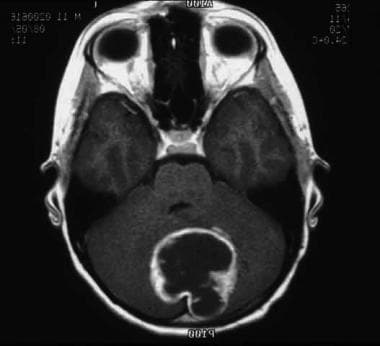
- Patients with cerebellar astrocytomas may demonstrate hydrocephalus and contrast enhancement on CT scans. A prominent cystic component is often present.
- Brainstem astrocytomas typically enhance poorly after contrast and lack calcifications on CT scans. They may appear isodense or hypodense.
- Head and spine magnetic resonance imaging with and without gadolinium
- Magnetic resonance imaging (MRI) is the imaging modality of choice for brainstem astrocytomas.
- MRI of the head must be performed in all patients with CT scan or clinical findings consistent with astrocytoma. Other tumors, such as medulloblastoma and ependymoma, may have a similar appearance on CT scans. MRI is useful in such instances by better demonstrating the anatomic origin and extent of tumor.
- MRI is the imaging modality of choice for detecting primary or disseminated spinal cord lesions. Perform an MRI of the spine in all tumors with malignant characteristics.
- A postoperative MRI is required to measure the extent of surgical resection and the detection of residual disease. Postoperative MRI evaluation must be performed within 72 hours of surgery in order to delineate residual tumor from the postsurgical inflammatory changes that are visualized on MRI at this time.
Procedures:
- CSF cytological examination: This examination is useful in malignant astrocytomas for the detection of microscopic leptomeningeal dissemination.
- Lumbar puncture: CT imaging or MRI must be performed prior to the lumbar puncture (LP) to rule out the presence of hydrocephaly in those patients suspected of having a brain tumor. Hydrocephaly places the patient at risk for herniation as a consequence of the procedure. In general, the LP is deferred up to 2 weeks postoperatively in order to avoid identifying tumor cells that may have disseminated as a result of surgery.
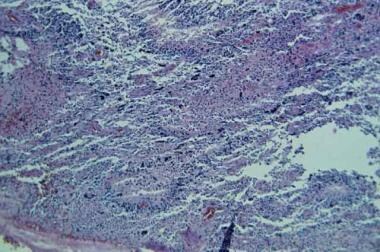
Histologic Findings: Childhood astrocytomas represent different histopathologic entities, such as pure astrocytoma (commonly pilocytic and fibrillary type in children), oligodendroglioma, and mixed tumors of both cell types. Astrocytomas are composed of glial fibrillary acidic protein (GFAP)–positive bipolar or stellate cells. Oligodendrogliomas are characterized by monotonous collections of spheroidal cells. Classification of gliomas is based primarily on their degree of anaplasia, rather than on histologic type.
Tumors that are modestly cellular and contain few or none of the histologic criteria of malignancy are designated low-grade or grade I and II lesions, according to the WHO. Unifying features are their slowly evolving nonaggressive clinical behavior and relatively benign histological appearance.
Grade I is primarily designated for the typical pilocytic astrocytoma, accounting for 85% of cerebellar low-grade gliomas. It is composed of astrocytes interwoven with a fine fibrillary background and often has a characteristic microcystic component and Rosenthal fibers. The newly described pilomyxoid variant of low-grade astrocytoma has unusual histologic features, including abundance of myxoid background, the absence of Rosenthal fibers, and the presence of an angiocentric pattern. Whether or not this is a variant of pilocytic astrocytoma or a distinct entity remains unclear. Grade II is reserved for diffuse astrocytomas composed of moderately cellular astrocytes, oligodendrocytes, or both.
High-grade tumors are characterized by the presence of several histologic features of malignancy that include hypercellularity, cytologic and nuclear atypia, mitoses, necrosis, and endothelial proliferation. These tumors are clinically aggressive, regionally invasive, and capable of neuraxial dissemination. Grade III refers to anaplastic astrocytoma and grade IV is designated for glioblastoma multiforme.
The most common lesions of the brain stem are diffuse intrinsic pontine gliomas (80%). They are not amenable to biopsy except in about 25% of cases, in which an exophytic portion exists. Autopsy reveals that the majority of these cases are found to be high-grade tumors. Tumors arising in other areas of the brain stem are more likely to be low-grade and may be focal (<2 cm), cystic, or dorsal exophytic from the floor of the fourth ventricle, or they may arise from the cervicomedullary junction.
 | TREATMENT
| Section 6 of 12  |
Medical Care:
- General
- Treatment of astrocytomas depends on the location and grade of the tumor. Tumor location and associated morbidity may limit resection or render the tumor inoperable.
- Patients who develop significant obstructive hydrocephaly that does not resolve may require the placement of a ventriculoperitoneal shunt.
- Chemotherapy
- Chemotherapy has had a limited role and limited success in the treatment of astrocytoma.
- For low-grade astrocytomas that are inoperable because of location or have demonstrated early recurrence or progression, chemotherapy with carboplatin and vincristine has been used in prepubertal children in an effort to avoid or delay irradiation.
- Chemotherapy has little impact on the overall survival of patients with high-grade tumors despite several regimens showing significant tumor response rates. To date, nitrosoureas (ie, bischloroethylnitrosourea [BCNU], cyclohexylchloroethylnitrosurea [CCNU]) and cisplatin show the most efficacy against these tumors. The most recent Children’s Oncology Group (COG) study (CCG-9933) showed no benefit in survival for patients with residual postoperative high-grade astrocytomas receiving combinations of these agents in high-dose prior to irradiation. The alkylating agent, temozolomide, shows promising results in recent clinical trials as a single-agent therapy for astrocytoma.
- Admit for treatment those patients with high-grade astrocytomas who are eligible for available investigational chemotherapy. Investigational chemotherapy for low-grade tumors is currently administered in an outpatient setting.
- Low-grade astrocytoma
- Surgical resection is the primary treatment modality. If feasible, a complete resection is the goal of surgery in order to minimize the risk of local recurrence. However, long-term progression-free intervals may ensue even after partial resection. Low-grade tumors that recur or progress may be re-resected, and patients can undergo observation without further treatment if the risk of neurologic impairment from further growth is low and the tumor has undergone a significant interim period of dormancy.
- Low-grade tumors that (1) are inoperable (diencephalic, brain stem), (2) are partially resected and posing a high risk of neurologic impairment if allowed to regrow, or (3) demonstrate early progression or recurrence may be treated with local radiotherapy to the area of the tumor plus a 2-cm margin. Alternatively, chemotherapy may be used in young children (prepubertal) in whom the clinician wishes to avoid or to delay radiotherapy because of its potential neurologic sequelae in this age group. To date, the most active chemotherapy regimen for these tumors is carboplatin and vincristine. These agents show objective response rates of 50-80% and produce prolonged stable disease. The most recent COG trial is investigating the benefit of adding temozolomide to this regimen.
- High-grade astrocytoma
- Following surgical resection, patients are treated with local irradiation to 50-60 Gy with a 2- to 4-cm margin around the area of edema defined by imaging.
- The addition of single-agent or multiple-agent chemotherapy following pre- and postradiotherapy has little or no impact on the overall survival rate (0-30%) in this group of patients, in spite of producing response rates as high as 45%. The most recent COG trial is investigating the benefit of irradiation and concurrent temozolomide postoperatively.
- Biologic therapy targeting (molecular markers) in pediatric high-grade astrocytomas, such as tyrosine kinase inhibitors that inhibit EGFR, are also being investigated.
- In infants with varying types of malignant brain tumors in whom irradiation is withheld, promising results have been reported with the use of high-dose chemotherapy, although patients with a histologic diagnosis of malignant astrocytoma make up only a small fraction of this group.
- Astrocytoma of the brain stem
- Surgery has no role in those patients with diffuse pontine lesions (eg, malignant brainstem glioma), the most common brainstem tumor. Surgery is feasible for many patients with exophytic and cystic tumors, and extensive resection may prolong survival even without further treatment. However, a surgical approach to focal midbrain, medulla, and tectal plate regions is hazardous and resections are generally limited.
- Local radiotherapy to 54 Gy is used for patients with inoperable tumors and for those who have high-grade lesions or early recurrence/progression of low-grade tumors. Radiotherapy for diffuse pontine lesions and high-grade tumors usually results in early and significant neurologic improvement, although the overall outlook remains dismal.
- Despite ongoing clinical trials, a chemotherapeutic role in the management of patients with brainstem tumors has yet to be established.
- Astrocytoma of the visual pathway
- The natural history of visual pathway astrocytomas is erratic. Some patients experience long-term stabilization without treatment, whereas others develop progressive disease with neurologic deterioration culminating in death. In contrast to those with chiasmatic lesions, patients with isolated optic nerve tumors rarely die of their disease; therefore, treatment efficacy must be based on visual outcome and freedom from treatment sequelae.
- A period of observation without treatment is recommended in cases without severe proptosis, rapidly progressive visual decline, or extensive chiasmal tumors (with distortion or invasion of optic tracts, hypothalamus, or the third ventricular area).
- Surgery is warranted only in those with chiasmatic or deeper intracranial involvement in order to rule out the possibility of an uncommon high-grade lesion. For these patients and for those with an isolated optic nerve tumor whose clinical characteristics do not meet the criteria above, the preferred treatment is local radiotherapy to 55 Gy. With radiotherapy, up to 90% of patients show at least stabilization of visual decline and 10-year progression-free survival rates of 70-90%.
- Chemotherapy with carboplatin and vincristine may be used as an initial therapy or to delay irradiation in prepubertal children. This combination chemotherapy has produced complete or partial responses in 45% of newly diagnosed patients.
- Intramedullary spinal cord astrocytomas
- Complete surgical resections are difficult in astrocytomas because a distinct tumor-cord interface is often absent; however, nearly 80-90% of resections may be performed in most cases.
- Treatment with radiotherapy is the same as that for other CNS astrocytomas. Lower radiation doses to 50 Gy are used because of radiation intolerance of the spinal cord. Treatment of low-grade tumors with radiotherapy yields 5-year survival rates of 65-70%. Patients with high-grade tumors generally die of their disease within months of diagnosis despite radiation and chemotherapy.
Consultations:
- Radiation oncologist for high-grade, recurrent and/or progressive, or visual pathway tumors
- Neuroendocrinologist evaluation
- Occupational and/or physical therapist for rehabilitation
Regular team members, including the following:
- Neurosurgeon
- Pediatric oncologist
- Neuro-oncologist
- Neurologist
- Neuropsychologist
Diet:
- No specific dietary requirements or restrictions exist.
- Patients who develop severe anorexia or weight loss as a result of therapy (particularly infants) may need supplemental nutrition to maintain daily requirements.
Activity:
- No restrictions in activity exist unless dictated by underlying neurological deficits.
- Patients with ventriculoperitoneal shunts may be restricted from high-impact sports, such as diving.
 | MEDICATION
| Section 7 of 12  |
Current investigational dosing chemotherapy regimens for the treatment of low-grade astrocytomas with carboplatin and vincristine and for the treatment of high-grade astrocytomas with temozolomide, carmustine (BCNU), and cisplatin are provided below.
Drug Category: Antineoplastic agents -- These agents disrupt DNA replication, which inhibits tumor growth and promotes tumor cell death. Cancer chemotherapy is based on an understanding of tumor cell growth and how drugs affect this growth. After cells divide, they enter a period of growth (phase G1), followed by DNA synthesis (phase S). The next phase is a premitotic phase (G2), then finally a mitotic cell division (phase M).
The cell division rate varies for different tumors. Most common cancers increase very slowly in size compared to normal tissues, and the rate may decrease further in large tumors. This difference allows normal cells to recover from chemotherapy more quickly than malignant ones and is the rationale behind current cyclic dosage schedules.
Antineoplastic agents interfere with cell reproduction. Some agents are cell cycle specific, while others (eg, alkylating agents, anthracyclines, cisplatin) are not phase-specific. Cellular apoptosis (ie, programmed cell death) is also a potential mechanism of many antineoplastic agents.
Drug Name
| Temozolomide (Temodar) -- Prodrug that is hydrolyzed to MTIC at physiologic pH. Exerts its effect by site-specific DNA cross-linking resulting from the methylation guanine at the O6 and N7 positions. Bioavailability is 100%; approximately 35% crosses the blood-brain barrier. |
|---|
| Pediatric Dose | Not established; in a Phase I study to determine the maximum tolerated dose of temozolomide in pediatric solid tumor patients with prior craniospinal irradiation (CSI) therapy and those without prior CSI (n=53; age range: 1-19 years), 100-240 mg/m2/d PO was administered; the maximum tolerated dose was 215 mg/m2/d for 5 d in patients without prior CSI and 180 mg/m2/d for 5 d in patients with prior CSI with subsequent courses to begin on day 28 |
|---|
| Contraindications | Documented hypersensitivity to temozolomide or DTIC, because each drug is metabolized to MTIC |
|---|
| Interactions | Valproic acid may decrease temozolomide clearance by 5% |
|---|
|
Pregnancy
|
D - Unsafe in pregnancy
|
| Precautions | Causes bone marrow suppression resulting in thrombocytopenia, anemia, and leukopenia (check blood counts qwk during concomitant phase, then at day 1 and 21 of each cycle); common adverse effects include nausea, vomiting, and alopecia; it is not known if the drug is excreted in breast milk and because of potential serious adverse effects in infants, breastfeeding should be discontinued; PCP prophylaxis required during concomitant phase, continue if lymphocytopenia develops; caution with severe renal or hepatic impairment |
|---|
Drug Name
| Carboplatin (Paraplatin) -- Analog of cisplatin. This is a heavy metal coordination complex that exerts its cytotoxic effect by platination of DNA, a mechanism analogous to alkylation, leading to interstrand and intrastrand DNA crosslinks and inhibition of DNA replication. |
|---|
| Pediatric Dose | 175 mg/m2 IV infusion over 60 min weekly for 4 wk, followed by a 3 wk rest (cycle) for 1 y |
|---|
| Contraindications | Documented hypersensitivity to carboplatin, cisplatin, or other platinum-containing compounds; mannitol; severe bone marrow depression; bleeding |
|---|
| Interactions | Nephrotoxic drugs increase renal toxicity; decreases phenytoin serum levels |
|---|
|
Pregnancy
|
D - Unsafe in pregnancy
|
| Precautions | Reduce dosage with bone marrow suppression and impaired renal function (ie, CrCl values <60 mL/min) |
|---|
Drug Name
| Vincristine (Oncovin) -- Plant-derived vinca alkaloid. Acts as a mitotic inhibitor by binding tubulin. |
|---|
| Pediatric Dose | 1.5 mg/m2 (0.05 mg/kg if <12 kg; not to exceed 2 mg) IV push; administered weekly for 10 doses during the first 2 cycles of carboplatin, then weekly for the first 3 wk of each 7-wk carboplatin cycle thereafter |
|---|
| Contraindications | Documented hypersensitivity; patients with demyelinating form of Charcot-Marie-Tooth syndrome; universally fatal if administered intrathecally |
|---|
| Interactions | Asparaginase may decrease vincristine clearance; acute pulmonary reactions may occur with concomitant use of mitomycin C; CYP450 3A4 inhibitors (eg, itraconazole, quinupristin/dalfopristin, sertraline, ritonavir), colony-stimulating factors (eg, sargramostim, filgrastim), or nifedipine increase toxicity; CYP450 3A4 inducers (eg, carbamazepine, phenytoin, phenobarbital, rifampin) may decrease effects |
|---|
|
Pregnancy
|
D - Unsafe in pregnancy
|
| Precautions | Dosage modification required in patients with impaired hepatic function, patients receiving other neurotoxic drugs, or patients with preexisting neuromuscular disease; avoid extravasation |
|---|
Drug Name
| Carmustine (BiCNU) -- This DNA alkylator causes interstrand and intrastrand DNA crosslinks, resulting in damage to the DNA template and inhibition of DNA replication. |
|---|
| Pediatric Dose | 10 mg/m2 IV over 15 min q6h for 3 consecutive d (cycle); this cycle is repeated q3-4 wk for a total of 3 cycles |
|---|
| Contraindications | Documented hypersensitivity |
|---|
| Interactions | Coadministration with cimetidine may increase toxicity; coadministration with etoposide or high doses of acetaminophen may cause severe hepatic dysfunction (ie, hyperbilirubinemia ascites, and thrombocytopenia) |
|---|
|
Pregnancy
|
D - Unsafe in pregnancy
|
| Precautions | Caution in patients with depressed platelet, leukocyte, or erythrocyte counts and hepatic or renal impairment (reduce dose); perform baseline hematologic and pulmonary function tests |
|---|
Drug Name
| Cisplatin (Platinol) -- This heavy metal coordination complex exerts its cytotoxic effect by platination of DNA, a mechanism analogous to alkylation, leading to interstrand and intrastrand DNA crosslinks and inhibition of DNA replication. |
|---|
| Pediatric Dose | 40 mg/m2/d IV infusion over 24 h for 3 consecutive d concurrently with carmustine (cycle); cycle is repeated q3-4 wk, for a total of 3 cycles |
|---|
| Contraindications | Documented hypersensitivity; preexisting renal impairment; hearing impairment; myelosuppression |
|---|
| Interactions | Coadministration with other nephrotoxic drugs (eg, aminoglycosides, amphotericin B) increases risk of nephrotoxicity; coadministration with ototoxic drugs (eg, loop diuretics, aminoglycosides) potentiates risk of ototoxicity; decreases elimination of bleomycin |
|---|
|
Pregnancy
|
D - Unsafe in pregnancy
|
| Precautions | Adequately hydrate prior to and for 24 h after cisplatin administration with use of a sodium chloride–containing solution to promote chloruresis, with or without mannitol and/or furosemide to ensure good urine output and decrease the chance of nephrotoxicity; reduce dosage in renal impairment and in infants |
|---|
 | FOLLOW-UP
| Section 8 of 12  |
Further Outpatient Care:
- Chemotherapy: Chemotherapy for low-grade tumors is currently administered in an outpatient setting for approximately 1 year.
- Radiotherapy: Begin daily outpatient local radiotherapy after recovery from surgery for a high-grade astrocytoma or early recurrent and/or progressive low-grade astrocytoma. This is generally administered over 6 weeks (usual dose is 160-180 Gy/d).
- Physical and neurologic examination
- For resected low-grade astrocytomas, outpatient examinations every 1-3 months are sufficient.
- For patients requiring radiotherapy, perform weekly monitoring of clinical response and potential treatment-related adverse effects during radiotherapy and then every 1-3 months thereafter for at least 1 year.
- Protocols using investigational chemotherapy in place of, or following, radiotherapy dictate how frequently these examinations are conducted.
- After 12-18 months from completion of therapy, these examinations are generally reduced to every 6 months for the next 2 years and annually thereafter, provided no interim complications occur.
- Routinely perform baseline neuropsychology and developmental testing at the completion of therapy and annually thereafter.
- Imaging studies
- Postoperative MRI evaluation must be performed within 72 hours of surgery in order to delineate residual tumor from the postsurgical inflammatory changes that are visualized on MRI at this time.
- MRI with contrast of the head should be performed every 3 months for the first 12-18 months after surgery and 4-6 weeks following the completion of radiotherapy. Subsequent imaging may be performed in conjunction with the physical and neurologic examination schedule, unless clinically indicated sooner. If a child is treated on an investigational clinical trial regimen, the protocol dictates the frequency of the imaging studies required.
- Perform MRI of the spine annually in those patients with high-grade tumors unless evidence of leptomeningeal spread exists at diagnosis, in which case the frequency of such examination is increased in accordance with the response to treatment.
- Laboratory studies
- Weekly complete blood cell (CBC) counts and annual neuroendocrine studies (eg, thyroid function tests, growth hormone, luteinizing hormone [LH]/follicle-stimulating hormone [FSH], estradiol) are all that is required during radiotherapy unless otherwise dictated by investigational regimens or if clinically indicated.
- The CBC count is used to monitor hematopoietic toxicity and determine whether intervention should be carried out to maintain hemoglobin levels at or above 10 g/dL in order to maximize radiation efficacy.
In/Out Patient Meds:
- Dexamethasone and antiseizure medications may be necessary to reduce the respective inflammatory response (edema) and seizure activity associated with the tumor and/or therapy.
- Investigational protocols may dictate other medications, including chemotherapy.
Transfer:
- Transfer patient to a pediatric center that can provide appropriate MRI imaging studies; pediatric neurosurgery; and pediatric hematology, oncology, or neuro-oncology. Pediatric radiation oncology and neurology may also be necessary for treatment and follow-up.
Complications:
- Obstructive hydrocephaly
- Neurologic impairment
- Radiation-induced effects
- Neurocognitive decline
- Endocrinologic dysfunction
- Mineralizing microangiopathy with ischemia or infarct
- Secondary CNS malignancies
- Transient headaches, fatigue, nausea, vomiting, and anorexia
- Chemotherapy-induced effects
- Myelosuppression, infection, nausea, vomiting, anorexia, renal damage, hepatic damage, hearing damage, neurotoxicity, and secondary malignancies may occur.
- Investigational chemotherapy for either high-grade or low-grade tumors may cause complications such as fever, neutropenia, or suspected infection; therefore, hospitalization may be necessary.
- Infertility and impairment of growth may also be long-term sequelae of therapy.
Prognosis:
- Low-grade astrocytoma
- The 10-year survival rate for completely resected low-grade cerebellar astrocytomas is near 100%, with little or no morbidity. It is 60-95% for all low-grade tumors, including those incompletely resected and treated with radiotherapy.
- Supratentorial tumors may result in residual motor deficits or seizure disorder. Radiotherapy may lead to neurocognitive impairment, neuroendocrine dysfunction, or ischemia and infarct.
- High-grade astrocytoma: Those who survive ( <30%) are often left with some degree of motor, neurocognitive, or endocrinologic dysfunction.
- Astrocytoma of the brain stem
- Patients with dorsal exophytic and cervicomedullary tumors treated by complete surgical resection have survival rates over 90%.
- Survival may be 50-100% for those with small focal tumors of the midbrain or tectal region treated with surgery and/or radiotherapy. In sharp contrast, patients with diffuse pontine lesions rarely survive.
- Surgery to these areas can result in paralysis of multiple cranial nerves, mutism, and a compromised respiratory effort.
- Astrocytoma of the visual pathway
- The 10-year survival rate for patients with intracranial tumors (chiasm or deeper) is 40-85%, in contrast to the 90-100% for those with intraorbital tumors.
- Fewer than half of all patients have improvement in their visual deficits noted at diagnosis.
- Up to 50% of prepubertal children develop endocrinologic dysfunction from radiotherapy.
- Astrocytoma of the spinal cord: The overall survival rate for patients with low-grade astrocytomas with various degrees of resection and postoperative radiotherapy is 67% at 20 years, while those with high-grade tumors rarely survive.
Patient Education:
- Refer patients and their family members for psychosocial counseling.
 | MISCELLANEOUS
| Section 9 of 12  |
Medical/Legal Pitfalls:
- Failure to recognize signs and symptoms (often subacute, nonspecific, and nonlocalizing) consistent with the increased ICP associated with astrocytoma
- Risk of performing a LP (tonsillar herniation) without having considered signs and symptoms of ICP
- Mistaking symptoms associated with increased ICP for migraine or tension headache, infectious gastroenteritis, postinfectious syndrome, chronic fatigue, or psychological dysfunction
- Failure to recognize symptoms secondary to an astrocytoma or other CNS tumor, including seizure activity, cranial nerve deficits, imbalance or coordination problems, changes in personality or school performance, and visual impairment
- Failure to inform patients and their families of the potential risks and benefits associated with surgery, radiation, and chemotherapy
- Failure to obtain signed informed consent when using an experimental treatment
Special Concerns:
- Childhood immunizations
- If the patient is undergoing myelosuppressive chemotherapy as part of the treatment plan, then withhold immunizations for 1 year from completion of therapy.
- Attenuated live virus immunizations (eg, measles, mumps, rubella [MMR]; oral polio; varicella) may lead to active disease. Inactivated injectable polio vaccine (IPV) should be used for all household contacts requiring polio immunization.
- IPV; Haemophilus influenzae type B (HIB); and diphtheria, pertussis, and tetanus (DPT) vaccines may be administered to the patient at any time; however, the recommendation is to defer for 1 year from the completion of myelosuppressive therapy to ensure adequate immune response and protection against acquired disease.
- Varicella exposure: Varicella zoster immune globulin (VZIG) should be administered within 72 hours of varicella exposure to all patients without prior varicella immunization, documented immuno-protectant titers, or a past history of infection.
 | TEST QUESTIONS
| Section 10 of 12  |
CME Question 1: An 18-month-old child presents to the emergency department with vomiting, emaciation, and unusual euphoria. During the examination, the infant is noted to have optic pallor and the setting sun sign (ie, impaired upgaze and seemingly forced downward deviation of the eyes). A head computed tomography scan reveals a mass lesion. Of the following, which is the most likely cause?
A: Cerebellar astrocytoma
B: Brainstem astrocytoma
C: Diencephalic astrocytoma
D: Visual pathway astrocytoma
E: Spinal cord glioblastoma multiforme
The correct answer is C: The classic symptoms of diencephalic syndrome (ie, emesis, emaciation, unusual euphoria) are associated with diencephalic tumors. Optic pallor and the setting sun sign are nonspecific signs of increased intracranial pressure that may be associated with any central nervous system tumor. Patients with cerebellar tumors may additionally present with ataxia, weakness, tremor, or dysmetria. Brainstem tumors are characterized by isolated cranial nerve deficits and contralateral hemiparesis. Infants with optic nerve tumors frequently display strabismus, proptosis, head tilt, head bobbing, and nystagmus in addition to optic pallor. Patients with spinal cord tumors most commonly present with pain, weakness, gait disturbance, and sphincter dysfunction.
CME Question 2: A 16-year-old adolescent presents with vomiting and ataxia. A head computed tomography scan reveals a cerebellar mass lesion. The tumor is completely resected and pathology confirms the tumor to be a grade I pilocytic astrocytoma. Of the following, which is the most appropriate therapy?
A: No further therapy
B: Whole brain and spine radiation
C: Chemotherapy
D: Local radiation and chemotherapy
E: Local radiation
The correct answer is A: Grade I pilocytic astrocytomas are noninvasive slow-growing tumors with a benign histology that can be cured with complete surgical resection alone in 95-100% of the cases.
Pearl Question 1 (T/F): The most common brain tumor in children is astrocytoma.
The correct answer is True: Astrocytoma is the most common brain tumor in children, accounting for more than half of all primary central nervous system neoplasms. Of these, the majority are benign low-grade tumors.
Pearl Question 2 (T/F): The most common age group affected with childhood astrocytoma is aged 15-18 years.
The correct answer is False: Although people of any age can be affected, astrocytomas occur most frequently during the first decade of life; the average age of patients is 5-9 years.
Pearl Question 3 (T/F): The phakomatoses, neurofibromatosis, and tuberous sclerosis are associated with astrocytomas.
The correct answer is True: Neurofibromatosis type 1 (NF1) is present in 50-80% of patients with isolated optic nerve astrocytomas and in as many as 20% of those with chiasmal or deeper optic tract astrocytomas. NF1 and tuberous sclerosis are associated with other glial tumors.
Pearl Question 4 (T/F): Muscle weakness and tinnitus and are the most common presenting symptoms associated with astrocytoma.
The correct answer is False: The most common symptoms are those secondary to increased intracranial pressure (ICP). These occur in up to 75% of patients regardless of tumor location. The classic triad of raised ICP consists of morning headaches, vomiting, and lethargy. Headaches are usually relieved by vomiting and gradually lessen during the day. Seizures are next in order of frequency, occurring in at least 25% of patients with supratentorial astrocytomas.
 | PICTURES
| Section 11 of 12  |
 | BIBLIOGRAPHY
| Section 12 of 12 |
-
Bredel M, Pollack IF, Hamilton RL, James CD: Epidermal growth factor receptor expression and gene amplification in high-grade non-brainstem gliomas of childhood. Clin Cancer Res 1999 Jul; 5(7): 1786-92[Medline].
-
Cokgor I, Friedman AH, Friedman HS: Gliomas. Eur J Cancer 1998 Nov; 34(12): 1910-5; discussion 1916-8[Medline].
-
Fernandez C, Figarella-Branger D, Girard N, et al: Pilocytic astrocytomas in children: prognostic factors--a retrospective study of 80 cases. Neurosurgery 2003 Sep; 53(3): 544-53; discussion 554-5[Medline].
-
Finlay JL, Wisoff JH: The impact of extent of resection in the management of malignant gliomas of childhood. Childs Nerv Syst 1999 Nov; 15(11-12): 786-8[Medline].
-
Geyer JR, Sposto R, Jennings M, et al: Multiagent chemotherapy and deferred radiotherapy in infants with malignant brain tumors: a report from the Children's Cancer Group. J Clin Oncol 2005 Oct 20; 23(30): 7621-31[Medline].
-
Gilbertson RJ, Hill DA, Hernan R, et al: ERBB1 is amplified and overexpressed in high-grade diffusely infiltrative pediatric brain stem glioma. Clin Cancer Res 2003 Sep 1; 9(10 Pt 1): 3620-4[Medline].
-
Guthrie BL, Laws ER Jr: Supratentorial low-grade gliomas. Neurosurg Clin N Am 1990 Jan; 1(1): 37-48[Medline].
-
Huncharek M, Wheeler L, McGarry R, Geschwind JF: Chemotherapy response rates in recurrent/progressive pediatric glioma; results of a systematic review. ALYSIS 1999 Jul-Aug; 19(4C): 3569-74[Medline].
-
Jacobson DM: Gliomas of the anterior visual pathways. Neurosurg Clin N Am 1999 Oct; 10(4): 683-98, ix[Medline].
-
Khatua S, Peterson KM, Brown KM, et al: Overexpression of the EGFR/FKBP12/HIF-2alpha pathway identified in childhood astrocytomas by angiogenesis gene profiling. Cancer Res 2003 Apr 15; 63(8): 1865-70[Medline].
-
Komotar RJ, Mocco J, Carson BS, et al: Pilomyxoid astrocytoma: a review. MedGenMed 2004; 6(4): 42[Medline].
-
Kuo DJ, Weiner HL, Wisoff J, et al: Temozolomide is active in childhood, progressive, unresectable, low-grade gliomas. J Pediatr Hematol Oncol 2003 May; 25(5): 372-8[Medline].
-
MacDonald TJ, Arenson EB, Ater J, et al: Phase II study of high-dose chemotherapy before radiation in children with newly diagnosed high-grade astrocytoma: final analysis of Children's Cancer Group Study 9933. Cancer 2005 Dec 15; 104(12): 2862-71[Medline].
-
Nadkarni TD, Rekate HL: Pediatric intramedullary spinal cord tumors. Critical review of the literature. Childs Nerv Syst 1999 Jan; 15(1): 17-28[Medline].
-
Packer RJ: Brain tumors in children. Arch Neurol 1999 Apr; 56(4): 421-5[Medline].
-
Pencalet P, Maixner W, Sainte-Rose C, et al: Benign cerebellar astrocytomas in children. J Neurosurg 1999 Feb; 90(2): 265-73[Medline].
-
Pollack IF, Boyett JM, Finlay JL: Chemotherapy for high-grade gliomas of childhood. Childs Nerv Syst 1999 Oct; 15(10): 529-44[Medline].
-
Pollack IF: The role of surgery in pediatric gliomas. J Neurooncol 1999 May; 42(3): 271-88[Medline].
-
Pollack IF, Finkelstein SD, Woods J, et al: Expression of p53 and prognosis in children with malignant gliomas. N Engl J Med 2002 Feb 7; 346(6): 420-7[Medline].
-
Reddy AT, Packer RJ: Chemotherapy for low-grade gliomas. Childs Nerv Syst 1999 Oct; 15(10): 506-13[Medline].
-
Rubin G, Michowitz S, Horev G, et al: Pediatric brain stem gliomas: an update. Childs Nerv Syst 1998 Apr-May; 14(4-5): 167-73[Medline].
-
Thorarinsdottir HK, Rood B, Kamani N, et al: Outcome for children <4 years of age with malignant central nervous system tumors treated with high-dose chemotherapy and autologous stem cell rescue. Pediatr Blood Cancer 2006 Feb 2;[Medline].
| NOTE: |
| Medicine is a constantly changing science and not all therapies are clearly established. New research changes drug and treatment therapies daily. The authors, editors, and publisher of this journal have used their best efforts to provide information that is up-to-date and accurate and is generally accepted within medical standards at the time of publication. However, as medical science is constantly changing and human error is always possible, the authors, editors, and publisher or any other party involved with the publication of this article do not warrant the information in this article is accurate or complete, nor are they responsible for omissions or errors in the article or for the results of using this information. The reader should confirm the information in this article from other sources prior to use. In particular, all drug doses, indications, and contraindications should be confirmed in the package insert. FULL DISCLAIMER |
eMedicine Journal, July 12 2006, VOLUME 7,
Number 7
© Copyright 2001, eMedicine.com, Inc.
|
Please email us with any comments you have on our new chapter format.
|