Use the our online Merriam-Webster medical dictionary.
eMedicine Journal > Pediatrics > Rheumatology
Systemic Lupus Erythematosus

Synonyms, Key Words, and Related Terms: systemic lupus erythematosus, lupus, SLE, lupus erythematosus, LE, fevers of unknown origin, arthralgia, anemia, nephritis, psychosis, fatigue, rheumatic disease
Author Information | Introduction | Clinical | Differentials | Workup | Treatment | Medication | Follow-up | Miscellaneous | Test Questions | Bibliography

AUTHOR INFORMATION Section 1 of 11    Click here to go to the top of this page Click here to go to the next section in this topic

Authored by Marisa S Klein-Gitelman, MD, MPH, MS, Assistant Professor, Department of Pediatrics, Section of Immunology-Rheumatology, Northwestern University and Children's Memorial Hospital

Marisa S Klein-Gitelman, MD, MPH, MS, is a member of the following medical societies: American College of Rheumatology

Edited by Barry L Myones, MD, Director of Research, Pediatric Rheumatology Center, Texas Children's Hospital at Houston; Associate Professor, Departments of Pediatrics & Immunology, Pediatric Rheumatology Section, Baylor College of Medicine; Mary L Windle, PharmD, Adjunct Assistant Professor, University of Nebraska Medical Center College of Pharmacy, Pharmacy Editor, eMedicine.com, Inc; Thomas JA Lehman, MD, Clinical Professor of Pediatrics, Weill-Cornell University; Chief, Department of Pediatrics, Division of Pediatric Rheumatology, Hospital for Special Surgery; Daniel Rauch, MD, FAAP, Director, Pediatric Hospitalist Program, Associate Professor, Department of Pediatrics, New York University School of Medicine; and Barry L Myones, MD, Director of Research, Pediatric Rheumatology Center, Texas Children's Hospital at Houston; Associate Professor, Departments of Pediatrics & Immunology, Pediatric Rheumatology Section, Baylor College of Medicine

Author's Email:Marisa S Klein-Gitelman, MD, MPH, MSClick here to view conflict-of-interest information on the author of this topic
Editor's Email:Barry L Myones, MD 

eMedicine Journal, May 24 2006, VOLUME 7, Number 5
INTRODUCTION Section 2 of 11   Click here to go to the next section in this topic Click here to go to the top of this page Click here to go to the next section in this topic

Background: Systemic lupus erythematosus (SLE) is a rheumatic disease characterized by autoantibodies directed against self-antigens, immune complex formation, and immune dysregulation, resulting in damage to essentially any organ, including the kidney, skin, blood cells, and the nervous system. The natural history of this illness is unpredictable; patients may present with many years of symptoms or with acute life-threatening disease. Because of its protean manifestations, lupus must be considered in the differential diagnoses of many conditions, including fevers of unknown origin, arthralgia, anemia, nephritis, psychosis, and fatigue. Early diagnosis and careful treatment tailored to individual patient symptoms have improved the prognosis from what was once perceived as an often-fatal disease.
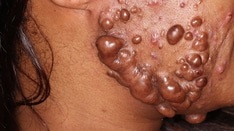
The first written description of lupus dates to the 13th century. Rogerius named the disease using the Latin word for wolf because the cutaneous manifestations he described appeared similar to those of a wolf bite. Osler was the first physician who recognized that systemic features of the disease could occur without skin involvement. Diagnosis was made easier with the discovery of lupus erythematosus (LE) cells in 1948. In 1959, the presence of anti-DNA antibodies was noted. The use of the New Zealand black/white mouse model, which manifested spontaneous Coombs-positive anemia and many other manifestations of lupus, has allowed intensive study of the disease mechanisms and the importance of immunosuppressive therapy.

The use of adrenocorticotropic hormone (ACTH) in the 1950s resulted in amelioration of disease manifestations. Replacement of ACTH using corticosteroids improved treatment. The substantial adverse effects of corticosteroids led to a strategy of using a variety of immunosuppressive drugs to minimize the need for corticosteroids, improving the prognosis for patients. For children with renal disease, recognition of the steroid-sparing effect of immunosuppressive agents such as azathioprine and cyclophosphamide has greatly improved the outcome. New advances in treatment using targeted biological therapies may further improve treatment outcomes.

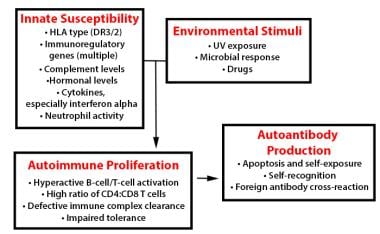
Pathophysiology: Within the healthy population, a subset of individuals has small amounts of low titer antinuclear antibody (ANA) or other autoantibody. In lupus, increased production of autoantibodies leads to immune complex formation and tissue damage from direct binding in tissues, immune complex deposition in tissues, or both. Whether these antibodies are produced in reaction to exposure of normally nonexposed self-antigens or as a consequence of a broad spectrum of immune dysregulation resulting in excessive production of many antibodies without regard to prior stimulation is unclear. Both mechanisms may play a role. Patients with SLE make antibodies against DNA, other nuclear antigens, ribosomes, platelets, erythrocytes, leukocytes, and other tissue-specific antigens. The resulting immune complexes result in widespread tissue damage. Cell-mediated autoimmune responses also play a pathophysiologic role.

Children with lupus may have hematologic abnormalities, including hemolytic anemia, thrombocytopenia, leukopenia, or lymphopenia. Patients with immune complex disease in the kidneys may present with nephritis or nephrotic syndrome. Numerous neurologic abnormalities, from psychosis and seizure to cognitive disorders to peripheral neuropathies, may also occur. Their exact relationship to the presence of immune complexes and autoantibodies remains unclear.

Pulmonary disease manifests as pulmonary hemorrhage, fibrosis, or infarct. A variety of rashes, GI manifestations, serositis, arthritis, endocrinopathies, and cardiac abnormalities, including endocarditis, exist. No organ is spared from the effects of this multisystem disease. However, the clinical presentation varies widely. How the clinical manifestations depend on the underlying specific immunologic disarray in a particular patient remains to be determined.

Frequency:

Mortality/Morbidity: The 5-year survival rate for children with SLE is more than 90%. Most deaths of children with SLE are the result of infection, nephritis, renal failure, neurologic disease, or pulmonary hemorrhage. Myocardial infarction may occur in the young adult years as a complication of persisting inflammation and, possibly, long-term corticosteroid use.

Race: Prevalence rates are higher in Native American, Asian American, Latin American, and African American patients.

Sex: Prevalence rates are higher in females than in males. A female-to-male ratio of approximately 4:1 occurs before puberty, and a ratio of 8:1 occurs after puberty.

Age: Approximately 20% of patients with SLE initially present by the second decade of life. Disease onset has been reported as early as the first year of life. However, SLE remains uncommon in children younger than 8 years.

CLINICAL Section 3 of 11   Click here to go to the next section in this topic Click here to go to the top of this page Click here to go to the next section in this topic

History: The most frequent presenting symptoms of SLE are prolonged fever and malaise with evidence of multisystem involvement. Children often present with a history of fatigue, joint pain, rash, and fever. However, children may present with a variety of acute symptoms, including memory loss, psychosis, transverse myelitis, hemoptysis, edema of the lower extremities, headache, and painful mouth sores. Eleven criteria are used for the classification of lupus in adults. The same criteria can serve as a guideline in children. Any 4 criteria are sufficient and should be sought in the history. Of note, ANA is almost always present but is not diagnostic.

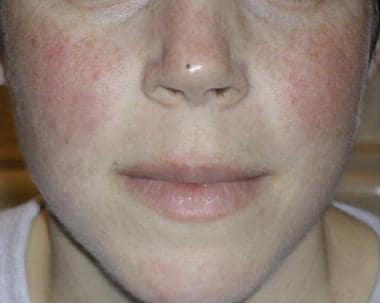
Diagnosis is not difficult in the child who presents with many manifestations, such as malar rash, pleuritic chest pain, nephritis, and a positive ANA. Some patients present over longer periods and require careful consideration. Occasionally, patients do not fulfill the classification criteria, a definite diagnosis never is made, or the patient may have an overlap syndrome with manifestations of several rheumatic diseases. Treatment should never be delayed in patients who do not fulfill classification criteria, particularly when patients are seriously ill.

Diagnostic criteria for SLE include the following:

Physical: A detailed physical examination is a critical tool in the diagnosis of SLE. Most of the American College of Rheumatology (ACR) classification criteria are associated with physical findings. The following is a description of more common clinical manifestations.

Causes: The specific causes of SLE remain undefined. Research suggests that many factors, including genetics, hormones, and the environment (eg, sunlight, drugs), contribute to the immune dysregulation observed in lupus.

DIFFERENTIALS Section 4 of 11   Click here to go to the next section in this topic Click here to go to the top of this page Click here to go to the next section in this topic

Acute Lymphoblastic Leukemia
Acute Myelocytic Leukemia
Acute Poststreptococcal Glomerulonephritis
Anemia, Acute
Anemia, Chronic
Angioedema
Anti-GBM Antibody Disease
Antiphospholipid Antibody Syndrome
Anxiety Disorder: Generalized Anxiety
Anxiety Disorder: Obsessive-Compulsive Disorder
Anxiety Disorder: Specific Phobia
Anxiety Disorder: Trichotillomania
Appendicitis
Arthritis, Septic
Autoimmune Chronic Active Hepatitis
Autoimmune and Chronic Benign Neutropenia
B-Cell and T-Cell Combined Disorders
Behcet Syndrome
Cardiomyopathy, Dilated
Chronic Granulomatous Disease
Cognitive Deficits
Common Variable Immunodeficiency
Complement Deficiency
Complement Receptor Deficiency
Eating Disorder: Anorexia
Endocarditis, Bacterial
Evans Syndrome
Fever Without a Focus
Fibromyalgia
Fulminant Hepatic Failure
Goodpasture Syndrome
Graves Disease
Heart Failure, Congestive
Hematuria
Hemolytic-Uremic Syndrome
Henoch-Schoenlein Purpura
Hepatitis B
Hereditary Periodic Fever Syndromes
Hodgkin Disease
Hyperthyroidism
Hypothyroidism
IgA and IgG Subclass Deficiencies
Kawasaki Disease
Lymphadenopathy
Mitral Valve Insufficiency
Mitral Valve Prolapse
Mixed Connective Tissue Disease
Mononucleosis and Epstein-Barr Virus Infection
Mood Disorder: Bipolar Disorder
Mood Disorder: Depression
Mood Disorder: Dysthymic Disorder
Myocardial Infarction in Childhood
Myocarditis, Nonviral
Neonatal Lupus and Cutaneous Lupus Erythematosus in Children
Nephritis
Nephrotic Syndrome
Oliguria
Parvovirus B19 Infection
Pericarditis, Bacterial
Pleural Effusion
Polyarteritis Nodosa
Proteinuria
[Reiter Syndrome]

Rheumatic Fever
Rheumatic Heart Disease
Serum Sickness
Sjogren Syndrome
Systemic Sclerosis
Thyroid Storm
Thyroiditis
Urticaria


Other Problems to be Considered:

ACR classification criteria require 4 of 11 specific findings as listed in History, which have 96-99% specificity. Differential diagnoses should include the following:

Infection
Malignancy
Toxic exposures
Other multisystem diseases

WORKUP Section 5 of 11   Click here to go to the next section in this topic Click here to go to the top of this page Click here to go to the next section in this topic

Lab Studies:

Imaging Studies:

Other Tests:

Procedures:

Histologic Findings: Fibrinoid deposits are found in blood vessel walls of affected organs. The parenchyma of these organs may contain hematoxylin bodies representing degenerated cells. Other histologic manifestations are associated with the particular organ. Immunofluorescence often reveals immune complexes and complements. The most important histology related to treatment decision is renal histopathology. Location of immune complexes (ie, subepithelial, subendothelial, intramembranous) is also important in prognosis.

Biopsy findings are classified according to the World Health Organization (WHO) classification and correlate with clinical morbidity and mortality. Class I is defined by normal findings on light microscopy, immunofluorescence, and electron microscopy. Class IIA disease has minimal mesangial deposits and a good prognosis, while class IIB is associated with lymphocytic infiltration and a variable prognosis. Class III disease is characterized by focal segmental proliferative mesangial changes and is associated with chronic renal disease. Class IV disease is defined as diffuse proliferation, with most glomeruli demonstrating cellular proliferation of epithelial, endothelial, and mesangial cells with cellular or fibrous crescent formation. Class IV is associated with an increased risk of end-stage renal disease. Class V disease is defined as a membranous process with significant proteinuria, which is often poorly responsive to treatment.

Staging: Lupus is not generally staged as a disease. However, staging criteria have been proposed to help assess the degree of illness. Determining which set of organs is inflamed is useful to decide treatment options. Kidney disease is classified as described in Histologic Findings. Staging for both WHO histologic class and for acuity and chronicity of renal histologic manifestations is important in determining optimal therapy.
TREATMENT Section 6 of 11   Click here to go to the next section in this topic Click here to go to the top of this page Click here to go to the next section in this topic

Medical Care: The most important tool in the medical care of the patient with SLE is careful and frequent clinical and laboratory evaluation to tailor the medical regimen and to provide prompt recognition and treatment of disease flare, which is the cornerstone of successful intervention. As lupus is a lifelong illness, patients must be monitored indefinitely. Specific medical interventions are listed below.

Surgical Care: The need for surgical care depends on the severity of organ involvement and the need for tissue diagnosis. Usually, SLE is not a surgical condition. If surgery is necessary, monitor the patient closely for healing and evidence of infection.

Consultations: A rheumatologist should be an integral part of the medical care team supporting the lupus patient. Other consultants depend on the type of organ involvement. Consider consultation with a nephrologist for severe end-organ disease.

Diet: Diet restrictions are driven by the medical therapy. Most patients require a course of corticosteroids and should be on a no added salt, low-fat, and calcium-sufficient diet. Recognize that patients frequently try nontraditional medical remedies and food supplements. These remedies should be met with an open and supportive response. Monitoring nontraditional remedies and food supplements is important because they may alter metabolism of more traditional medications, such as warfarin sodium, or they may have a negative effect. Of note, L-canavanine in alfalfa sprouts has been implicated in causing lupus, and excess use should be avoided.

Activity: Encourage patients with SLE to maintain a normal lifestyle. Exercise is important in maintaining bone density and an appropriate weight. Caution patients that fatigue and stress have been associated with disease flares. Caution patients to avoid sunlight and to use waterproof sunblock liberally every 2 hours when exposed to the sun. Fluorescent lights may also cause increased rash in patients with SLE.
MEDICATION Section 7 of 11   Click here to go to the next section in this topic Click here to go to the top of this page Click here to go to the next section in this topic

Therapeutic interventions for pediatric lupus should occur under the direction or with the advice of an experienced physician. Many medications are used to treat lupus and are chosen depending on disease manifestations. The goal of therapy is to control disease manifestations, allowing the child to have a good quality of life without major disease exacerbations, as well as preventing serious organ damage that adversely affects function or life span. At the same time, the physician is challenged to prevent intolerable adverse effects from the therapeutic regimen.

Before treatment, identify organ system involvement and exclude other possible diagnoses. Many of the therapeutic options have serious adverse effects, contraindications, and drug interactions. A high risk for infection, infertility, and future cardiovascular disease exists. Most medications are considered a high risk during pregnancy. Patients with lupus who are pregnant should seek the expertise of an obstetrician and rheumatologist with experience in treating other patients with similar conditions.

The most important management tool in the treatment of SLE is meticulous and frequent re-evaluation of patients. Re-evaluation includes clinical and laboratory evaluation, allowing prompt recognition and treatment of disease flare that is essential to patient outcome.

Patients with hypertension should be treated aggressively. If hypertension is a consequence of corticosteroid therapy, consider immunomodulating medications as steroid-sparing agents to help control hypertension. For more information, see eMedicine’s topic on pediatric Hypertension.

Drug Category: Antimalarial agents -- Rash and other minor symptoms including musculoskeletal symptoms can be treated with hydroxychloroquine 3-7 mg/kg/d, usually no more than 400 mg/d PO. Evidence indicates that long-term use of antimalarial drugs is steroid sparing. Hydroxychloroquine may also decrease risk of thrombotic events. Long-term use of this medication requires monitoring for retinal pigment changes every 6 months. Adverse effects are infrequent and include eye changes, GI symptoms (of which diarrhea is most prominent), and CNS changes.
Drug Name
Hydroxychloroquine (Plaquenil) -- Antimalarial drugs inhibit synthesis of DNA, RNA, and proteins by interacting with nucleic acids. Antimalarial drugs have a variety of immunosuppressive effects, can act as antioxidants, and interfere with prostaglandins.
200 mg of the sulfate salt = 155 mg of the base.
Adult Dose200-400 mg (as sulfate salt)/d PO (3-7 mg/kg/d)
Pediatric Dose3-7 mg (as sulfate salt)/kg/d PO; not to exceed 400 mg/d
ContraindicationsDocumented hypersensitivity; G-6-PD deficiency;
retinal or visual field changes; porphyria; psoriasis
InteractionsFew reported; chloroquine may potentiate possible ocular toxicity of other drugs (eg, cisplatin); serum levels increase with cimetidine; magnesium trisilicate may decrease absorption
Pregnancy C - Safety for use during pregnancy has not been established.
PrecautionsCaution in hepatic disease, G-6-PD deficiency, psoriasis, and porphyria; not recommended for long-term use in children; perform periodic (6 mo) ophthalmologic examinations; test periodically for muscle weakness; adverse effects are infrequent and include eye changes, GI symptoms (of which diarrhea is most prominent), and CNS changes
Drug Category: Corticosteroids -- These agents elicit anti-inflammatory and immunosuppressive properties, cause profound and varied metabolic effects, and modify the body’s immune response to diverse stimuli.

Treat children who have evidence of severe renal, CNS, or hematologic diseases with corticosteroids. The dose varies with intensity of the organ system involved and in select individuals with serologic disease activity. Consider initiating therapy with daily prednisone (1 mg/kg/d) or higher-dose alternate-day prednisone (5 mg/kg/d, not to exceed 150-250 mg depending on the size of the patient). Alternatively, lower-dose daily prednisone (0.5 mg/kg) may be used in conjunction with intermittent high-dose IV methylprednisolone (30 mg/kg/dose, not to exceed 1 g) on a weekly basis.

Children who are systemically ill with renal, neurologic, severe hematologic, cardiac, or pulmonary disease are begun on high-dose daily prednisone 2 mg/kg/d (not to exceed 80 mg/d) in divided doses, which are consolidated after serologic disease activity is controlled and finally switched to alternate-day prednisone.

Alternatively, the patient may be treated with IV pulse methylprednisolone therapy (3 d of high-dose IV corticosteroids) and then switched to intermittent high-dose IV corticosteroids with lower daily prednisone doses depending on disease severity. Obtain PPD and Candida testing before commencement of medical therapy in patients who require steroids. Consider further evaluation for mycobacterial disease in patients who are anergic to both tests.
Drug Name
Prednisone (Deltasone, Orasone, Sterapred) -- Decreases inflammation by suppression of the immune system: (1) decreased lymphocyte volume and activity, (2) decreased PMN migration, (3) decreased or reversal of capillary permeability. High doses, especially over periods >2-3 wk, suppress adrenal function.
Adult Dose1-2 mg/kg/d PO
Pediatric Dose1-2 mg/kg/d PO initially in divided doses up to qid, then consolidated to a daily dose before tapering the total mg/d
Severe disease: 30 mg (as methylprednisolone)/kg IV infused over 1 h initially; not to exceed 1 g; may be administered as a 3-d pulse regimen or as part of a steroid regimen under the guidance of a rheumatologist
ContraindicationsDocumented hypersensitivity; serious infection (eg, systemic fungal infection, varicella), except septic shock or tuberculous meningitis; GI bleeding or ulceration
InteractionsCoadministration with estrogens may decrease prednisone clearance; concurrent use with digoxin may cause digitalis toxicity secondary to hypokalemia; phenobarbital, phenytoin, and rifampin may increase metabolism of glucocorticoids (consider increasing maintenance dose); monitor for hypokalemia with coadministration of diuretics
Pregnancy B - Usually safe but benefits must outweigh the risks.
PrecautionsCarefully monitor patients receiving corticosteroids for infection and carefully evaluate in the setting of fever with no obvious source; monitor patients for diabetes mellitus, osteoporosis, osteonecrosis, hypertension, glaucoma, cataract, altered mood, and gastritis; evaluate patients for occult infection, including TB and HIV, before starting corticosteroids; avoid discontinuing suddenly in patients receiving long-term steroids, even in active infection; infection can cause disease flare, and sudden discontinuation of steroids may cause an Addisonian crisis (carefully consider steroids in active infection and discuss with experienced physicians); consider alternate immunosuppression in patients who develop diabetes mellitus while on corticosteroids and taper steroids carefully; in the interim, the use of insulin may be required
Drug Category: Immunosuppressive agents -- Evaluate children with signs of active nephritis to determine the WHO classification category of their nephritis. Patients with class IV nephritis and some patients with class III nephritis should be treated with corticosteroids and cyclophosphamide. Mycophenolate mofetil has become an alternative therapy for lupus nephritis. Azathioprine is used for more mild nephritis. Consider cyclophosphamide for severe systemic involvement of other vital organs, especially the brain. Other agents (eg, mycophenolate mofetil, cyclosporine, methotrexate) are considered when standard therapies have failed.

Other treatments under study include hormonal therapy and biologic agents that target cytokine production and anti-DNA antibodies. Clinical trials using autologous and stem cell transplantation are in progress for severe persistent disease. Most recently, anti-CD19 monoclonal antibodies (ie, rituximab) initially developed for treatment of B cell malignancies have shown promise in the treatment of lupus, in particular cytopenias and kidney disease resistant to other forms of therapy.
Drug Name
Cyclophosphamide (Cytoxan, Neosar) -- Interferes with normal function of DNA by alkylation and cross-linking the strands of DNA and by possible protein modification.
Chemically related to nitrogen mustards. As an alkylating agent, mechanism of action of active metabolites may involve cross-linking of DNA, which may interfere with growth of normal and neoplastic cells.
Adult Dose500-1000 mg/m2 IV q3-4wk
Pediatric Dose500-750 mg/m2 IV q3-4wk; not to exceed 1 g/m2
Note: Should be administered IV with continuous hydration and monitoring; monitor WBCs at 8-14 d following each dose (adjust dose to maintain WBCs >2000-3000/mm3)
Concomitant use of mesna to reduce toxicity is strongly recommended; antiemetics are often necessary adjuncts
ContraindicationsDocumented hypersensitivity; severely depressed bone marrow function; infection
InteractionsAllopurinol, may increase risk of bleeding or infection and enhance myelosuppressive effects; may potentiate doxorubicin-induced cardiotoxicity; may reduce digoxin serum levels and antimicrobial effects of quinolones; chloramphenicol may increase half-life while decreasing metabolite concentrations; may increase effect of anticoagulants; coadministration with high doses of phenobarbital may increase rate of metabolism and leukopenic activity; thiazide diuretics may prolong cyclophosphamide-induced leukopenia and neuromuscular blockade by inhibiting cholinesterase activity
Pregnancy D - Unsafe in pregnancy
PrecautionsRegularly examine hematologic profile (particularly neutrophils and platelets) to monitor for hematopoietic suppression; regularly examining urine for RBCs is not useful because most patients already have RBCs in their urine secondary to lupus nephritis; patients have WBC nadir 8-11 d after therapy, monitor closely for infection; pregnancy test required for females with child-bearing potential prior to each infusion
Drug Name
Mycophenolate mofetil (CellCept, Myfortic) -- Immunosuppressant agent used in conjunction with other immunosuppressive therapies (eg, corticosteroids) to treat lupus kidney disease. May be considered as steroid-sparing agent for other organ-specific disease manifestations.
Inhibits inosine monophosphate dehydrogenase (IMPDH) and suppresses de novo purine synthesis by lymphocytes, inhibiting their proliferation. Inhibits antibody production by inhibiting T- and B-cell proliferation, cytotoxic T-cell generation, and antibody secretion.
Two formulations are available and are not interchangeable. The original formulation, mycophenolate mofetil (MMF, CellCept), is a prodrug that, once hydrolyzed in vivo, releases active moiety mycophenolic acid. A newer formulation, mycophenolic acid (MPA, Myfortic), is an enteric-coated product that delivers the active moiety.
Adult DoseCellCept: 1-1.5 g PO bid
0.5 g/dose may be considered for nonrenal disease manifestations
Myfortic: 720 mg PO bid
Pediatric DoseCellCept: 600 mg/m2/dose PO bid; not to exceed 1 g bid
Alternatively, may dose according to BSA:
BSA 1.25-1.5 m2: 750 mg cap PO bid
BSA >1.5 m2: 1 g cap or tab PO bid
Myfortic:
BSA <1.19 m2: Unable to accurately administer Myfortic tab
BSA 1.19-1.58 m2: 400 mg/m2 PO bid; not to exceed 1080 mg/d
BSA >1.58 m2: 400 mg/m2 PO bid; not to exceed 1440 mg/d
ContraindicationsDocumented hypersensitivity
InteractionsDrugs that alter GI flora and antacids decrease MPA absorption; acyclovir and ganciclovir increase plasma concentrations; cholestyramine decreases mycophenolate concentration by 40%; probenecid increases mycophenolate concentration; salicylates increase free fraction of MPA; phenytoin decreases protein binding of phenytoin from 90% to 87%; theophylline decreases protein binding of theophylline from 53% to 45%
Pregnancy C - Safety for use during pregnancy has not been established.
PrecautionsDosage has to be adjusted in patients with chronic renal impairment, hepatic impairment or neutropenia; immunosuppression with mycophenolate may result in an increased susceptibility to infection and an increased risk of developing lymphomas and other malignancies, particularly of the skin; effective contraception should be initiated prior to use and continued for 6 wk after discontinuation; caution in active peptic ulcer disease; commonly causes constipation, nausea, diarrhea, urinary tract infection, and nasopharyngitis; rare reports include interstitial lung disorders, colitis, pancreatitis, intestinal perforation, GI hemorrhage, gastric ulcers, duodenal ulcers, ileus; do not chew, crush, or cut Myfortic tab
Drug Name
Azathioprine (Imuran) -- Antagonizes purine metabolism and may inhibit synthesis of proteins, RNA, and DNA. May interfere with mitosis and cellular metabolism.
Adult Dose1-2.5 mg/kg/d PO qd
Pediatric Dose1-3 mg/kg/d PO qd
ContraindicationsDocumented hypersensitivity
InteractionsToxicity increases with allopurinol (decrease azathioprine dose by 25-33%); concurrent use with ACE inhibitors may induce severe leukopenia; may increase levels of methotrexate metabolites and decrease effects of anticoagulants, neuromuscular blockers, and cyclosporine
Pregnancy D - Unsafe in pregnancy
PrecautionsMonitor carefully for renal toxicity and hepatotoxicity; use with care in patients with liver or renal disease
Drug Category: Calcium and vitamin D supplements -- All patients with SLE who are on corticosteroids or who have arthritis are at increased risk for osteopenia and its complications. Diet and appropriate supplementation with vitamin D and calcium are important tools for bone health in these patients.
Drug Name
Calcium carbonate (Oystercal, Caltrate) -- Used as an antacid and for the prevention of calcium depletion. Calcium carbonate 1 g = 400 mg elemental calcium.
Adult Dose800-1200 mg (as elemental Ca)/d PO
Pediatric DoseDoses are expressed as elemental calcium
<6 months: 360 mg/d PO
6-12 months: 540 mg/d PO
1-10 years: 800 mg/d PO
11-18 years: 1200 mg/d PO
ContraindicationsHypercalcemia; renal calculi; ventricular fibrillation; risk of digitalis toxicity; renal or cardiac disease
InteractionsUse with caution in patients using digitalis; may antagonize effects of calcium channel blockers; decreases bioavailability of tetracyclines, fluoroquinolones, iron salts, salicylates
Pregnancy C - Safety for use during pregnancy has not been established.
PrecautionsUse with caution in patients with renal disease, cardiac disease, or sarcoidosis
Drug Name
Calcifediol (Calderol) -- 25-Hydroxycholecalciferol. Vitamin D regulates calcium homeostasis, promoting absorption of calcium by the gut, resorption of calcium by the kidney, and increasing bone mineral metabolism.
Adult Dose20-100 mcg/d PO; titrate to obtain reference range serum calcium and phosphorus levels
Pediatric DoseNot established, limited data suggest:
<30 kilograms: 20 mcg PO 3 times/wk
>30 kilograms: 50 mcg PO 3 times/wk
ContraindicationsDocumented hypersensitivity; hypercalcemia
InteractionsEffects enhanced by thiazide diuretics and reduced by cholestyramine and colestipol; may precipitate arrhythmia in conjunction with digitalis
Pregnancy C - Safety for use during pregnancy has not been established.
PrecautionsCalcium-phosphorus product (serum calcium X serum phosphorus) must not exceed 70; avoid hypercalcemia
Drug Category: Nonsteroidal anti-inflammatory drugs (NSAIDs) -- A child who presents with mild disease with no evidence of nephritis, hypocomplementemia, and elevated anti–double-stranded DNA antibodies is treated symptomatically and is monitored closely for signs of disease progression. Arthritis is treated with NSAIDs. Select a specific agent based on patient response to medication, history of previous drug allergy or reaction, and ease of use.
Administer NSAIDs with caution in any patient with renal or liver disease and avoid administering NSAIDs during pregnancy. NSAIDs have a variety of adverse effects that should be monitored, including gastritis, bone marrow suppression, hepatitis, interstitial nephritis, and CNS changes. Occasionally, a patient with SLE has a hypersensitivity reaction to NSAIDs, most often characterized as hepatotoxicity, but the reaction can include other symptoms and must be kept in mind.
Drug Name
Naproxen (Aleve, Naprelan, Naprosyn) -- Used for analgesic and anti-inflammatory properties to treat arthralgia and arthritis. Available with slightly different safety and efficacy profiles.
Inhibits inflammatory reactions and pain by decreasing activity of cyclo-oxygenase, which is responsible for prostaglandin synthesis. Available in SR formulation (Naprelan) for once daily dosing.
Adult Dose500-1000 mg/d PO divided bid
Pediatric Dose7-20 mg/kg/d PO divided bid/tid; not to exceed adult dose
ContraindicationsDocumented hypersensitivity; gastritis; hepatic or renal insufficiency; coagulopathy; other conditions in which changes in platelet function could be harmful
InteractionsCoadministration with aspirin increases risk of inducing serious NSAID-related adverse effects; probenecid may increase concentrations and, possibly, toxicity of NSAIDs; may decrease effect of hydralazine, captopril, beta-blockers; may decrease diuretic effects of furosemide and thiazides; monitor PT closely (instruct patients to watch for signs of bleeding); may increase risk of methotrexate toxicity; phenytoin levels may be increased when administered concurrently
Pregnancy C - Safety for use during pregnancy has not been established.
PrecautionsPregnancy category D in third trimester; acute renal insufficiency, interstitial nephritis, hyperkalemia, hyponatremia, and renal papillary necrosis may occur; patients with preexisting renal disease or compromised renal perfusion risk acute renal failure; leukopenia occurs rarely, is transient, and usually returns to normal during therapy; persistent leukopenia, granulocytopenia, or thrombocytopenia warrants further evaluation and may require discontinuation of drug
Drug Name
Tolmetin (Tolectin) -- Used for their analgesic and anti-inflammatory properties treating arthralgia and arthritis. Available with slightly different safety and efficacy profiles.
Inhibits inflammatory reactions and pain by decreasing activity of cyclo-oxygenase, which is responsible for prostaglandin synthesis.
Adult Dose1200-1800 mg/d PO divided tid
Pediatric Dose15-30 mg/kg/d PO divided tid/qid; not to exceed adult dose
ContraindicationsDocumented hypersensitivity; gastritis; hepatic or renal insufficiency; coagulopathy; other conditions in which changes in platelet function could be harmful
InteractionsCoadministration with aspirin increases risk of inducing serious NSAID-related adverse effects; probenecid may increase concentrations and, possibly, toxicity of NSAIDs; may decrease effect of hydralazine, captopril, and beta-blockers; may decrease diuretic effects of furosemide and thiazides; monitor PT closely (instruct patients to watch for signs of bleeding); may increase risk of methotrexate toxicity; phenytoin levels may be increased when administered concurrently
Pregnancy C - Safety for use during pregnancy has not been established.
PrecautionsPregnancy category D in third trimester; acute renal insufficiency, interstitial nephritis, hyperkalemia, hyponatremia, and renal papillary necrosis may occur; patients with preexisting renal disease or compromised renal perfusion risk acute renal failure; leukopenia occurs rarely, is transient, and usually returns to normal during therapy; persistent leukopenia, granulocytopenia, or thrombocytopenia warrants further evaluation and may require discontinuation of drug
Drug Name
Diclofenac (Voltaren, Cataflam) -- Inhibits prostaglandin synthesis by decreasing activity of enzyme cyclo-oxygenase, which, in turn, decreases formation of prostaglandin precursors. Also available in SR formulation (Voltaren-XR [100 mg]) that allows once or twice daily dosing.
Adult Dose100-200 mg/d PO divided bid
Pediatric Dose <12 years: Not recommended
>12 years: 2-3 mg/kg/d PO divided bid; not to exceed adult dose
ContraindicationsDocumented hypersensitivity; gastritis; hepatic or renal insufficiency; coagulopathy; other conditions in which changes in platelet function could be harmful
InteractionsCoadministration with aspirin increases risk of inducing serious NSAID-related adverse effects; probenecid may increase concentrations and, possibly, toxicity of NSAIDs; may decrease effect of hydralazine, captopril, beta-blockers; may decrease diuretic effects of furosemide and thiazides; monitor PT closely (instruct patients to watch for signs of bleeding); may increase risk of methotrexate toxicity; phenytoin levels may be increased when administered concurrently
Pregnancy C - Safety for use during pregnancy has not been established.
PrecautionsPregnancy category D in third trimester; acute renal insufficiency, hyperkalemia, hyponatremia, interstitial nephritis, and renal papillary necrosis may occur; increases risk of acute renal failure in patients with preexisting renal disease or compromised renal perfusion; low WBC counts occur rarely and usually return to normal in ongoing therapy; discontinuation of therapy may be necessary if persistent leukopenia, granulocytopenia, or thrombocytopenia exists
FOLLOW-UP Section 8 of 11   Click here to go to the next section in this topic Click here to go to the top of this page Click here to go to the next section in this topic

Further Inpatient Care:

Further Outpatient Care:

In/Out Patient Meds:

Transfer:

Deterrence/Prevention:

Complications:

Prognosis:

Patient Education:

MISCELLANEOUS Section 9 of 11   Click here to go to the next section in this topic Click here to go to the top of this page Click here to go to the next section in this topic

Medical/Legal Pitfalls:

Special Concerns:

TEST QUESTIONS Section 10 of 11   Click here to go to the next section in this topic Click here to go to the top of this page Click here to go to the next section in this topic

CME Question 1: A 15-year-old girl is evaluated for the possibility of lupus. She sleeps all day and reports achy joints and headache. She has a family history of lupus. Clinical examination findings are unremarkable. Laboratory evaluation reveals a positive antinuclear antibody (ANA) of 1:160, mild anemia with a low mean cell volume (MCV), and a negative Coombs test result. Which of the following diagnoses is least likely at the time of evaluation?


A: Systemic lupus erythematosus (SLE)
B: Normal adolescent with mild iron-deficient anemia
C: Depression
D: Fibromyalgia
E: Chronic fatigue syndrome

The correct answer is A: Although this patient has symptoms of fatigue and achy joints, the only finding that fits lupus criteria is the positive ANA. Although she has a family history of lupus, which may raise concern, positive family history increases the risk for finding positive ANA in close relatives. This patient does not fit diagnostic criteria for SLE.

CME Question 2: A 12-year-old girl presents to the office with malar rash, arthritis, and chest pain. What studies should be ordered to confirm a diagnosis of systemic lupus erythematosus?


A: CH50, C3, C4, liver function tests, anti-Ro antibody, anti-La antibody, antiplatelet antibody
B: Antinuclear antibody (ANA), electrocardiography, CH50, C3, C4, C1q, antiribosomal P antibody, anti–Scl-70 antibody
C: ECG, CH50, C3, C4, C4 null allele, C1q, anti-RNP antibodies, antiplatelet antibodies, anti-Ro antibody, anti-La antibody, anti–smooth muscle antibody
D: Anti–double-stranded DNA, CH50, C3, C4, C3a, C5a, C1q, liver function tests
E: ECG, urine analysis, CBC count, Coombs test, ANA, anti–double-stranded DNA, anti-Smith antibody, antiphospholipid antibody

The correct answer is E: Although many of the tests listed are helpful and interesting, the criteria for diagnosis must be used as a guideline. In this case, the patient has 2 criteria on physical examination (ie, malar rash, arthritis). She reports chest pain, suggesting that she may have pericarditis or pleuritis. ECG findings may be used to diagnose the pericarditis. Laboratory testing, such as CBC, Coombs, and urine analysis, would help to define whether a hematologic or renal disease is present. Liver disease is not a criterion. The patient does not have neurologic findings that fit criteria on examination (eg, psychosis, seizure). The laboratory is useful in finding the autoantibody criteria, which include ANA, anti–double-stranded DNA, antiphospholipid antibody, or anti-Smith antibody. Abnormal complement is not a criterion, nor are the other autoantibodies listed in the alternative answers.

Pearl Question 1 (T/F): All children with systemic lupus erythematosus require corticosteroid therapy.

The correct answer is False: Although most children with lupus have severe disease and require corticosteroids, some patients present with mild disease, which can be managed without corticosteroids.

Pearl Question 2 (T/F): All patients with systemic lupus erythematosus (SLE) have anti–double-stranded DNA autoantibodies.

The correct answer is False: Although most patients with SLE have anti–double-stranded DNA antibodies, it is not a required finding for diagnosis. Neither is antinuclear antibody a required finding for diagnosis. To fulfill classification criteria of lupus, 4 of 11 criteria must be present. Although the criteria include autoantibodies, no single criterion is mandatory.

Pearl Question 3 (T/F): If a child has a positive antinuclear antibody (ANA), she will develop systemic lupus erythematosus in the future.

The correct answer is False: Many children have positive ANA test results. Some of the children are related to patients with autoimmune disease, which increases their risk for a positive ANA and future disease. However, most children who come to pediatric rheumatology clinics with positive ANA but without the evidence of autoimmune disease at the time of presentation do not develop autoimmune disease during childhood.

Pearl Question 4 (T/F): Children with systemic lupus erythematosus must avoid direct sun exposure and must wear sunscreen all year to avoid disease flares.

The correct answer is True: Sun exposure is a risk for disease development and disease flare. Sun exposure in winter can cause the same problems as sun exposure in summer. Fluorescent lights in school can cause lupus flare as well.
BIBLIOGRAPHY Section 11 of 11   Click here to go to the next section in this topic Click here to go to the top of this page

NOTE:
Medicine is a constantly changing science and not all therapies are clearly established. New research changes drug and treatment therapies daily. The authors, editors, and publisher of this journal have used their best efforts to provide information that is up-to-date and accurate and is generally accepted within medical standards at the time of publication. However, as medical science is constantly changing and human error is always possible, the authors, editors, and publisher or any other party involved with the publication of this article do not warrant the information in this article is accurate or complete, nor are they responsible for omissions or errors in the article or for the results of using this information. The reader should confirm the information in this article from other sources prior to use. In particular, all drug doses, indications, and contraindications should be confirmed in the package insert. FULL DISCLAIMER
eMedicine Journal, May 24 2006, VOLUME 7, Number 5
© Copyright 2001, eMedicine.com, Inc.

eMedicine Journals > Pediatrics > Rheumatology > Systemic Lupus Erythematosus
Please email us with any comments you have on our new chapter format.
 
Use the our online Merriam-Webster medical dictionary.